Jamaican Creole, often called Patois, is more than just a way of speaking—it’s a vibrant expression of Jamaica’s rich history and cultural identity. This unique language blends English with African, Spanish, and indigenous influences, reflecting the island’s diverse heritage.
Whether you hear it in reggae lyrics or everyday conversations, Jamaican Creole carries the soul of the people and their stories. Exploring its rhythms and meanings opens a window into Jamaica’s spirit and resilience.
Let’s dive deeper and uncover the fascinating world of Jamaican Creole together!
Everyday Life Through Jamaican Creole
Casual Conversations and Greetings
Jamaican Creole isn’t just a language; it’s the heartbeat of daily interactions. From the simple “Wah gwaan?” which means “What’s going on?” to the heartfelt “Mi deh yah,” meaning “I’m here” or “I’m doing well,” these expressions capture warmth and community spirit.
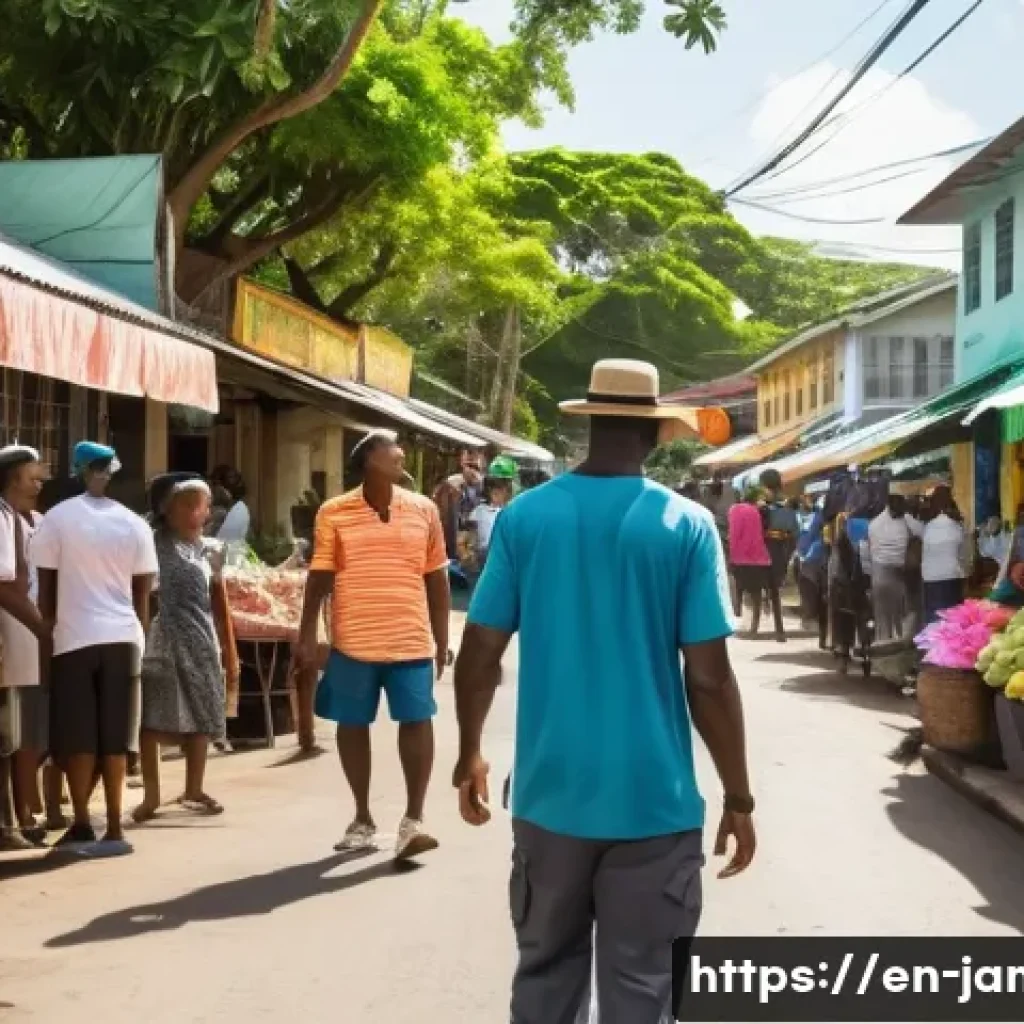
I remember strolling through Kingston and hearing vendors and neighbors greet each other with these phrases—it felt like being part of an ongoing story, woven by voices full of life.
This casual banter reflects a strong sense of belonging, where language itself becomes a bridge between people, transcending formalities and inviting connection.
Storytelling Traditions
One of the most captivating uses of Jamaican Creole is in storytelling. Elders and younger generations alike use rich, melodic phrasing to share folktales, personal anecdotes, and life lessons.
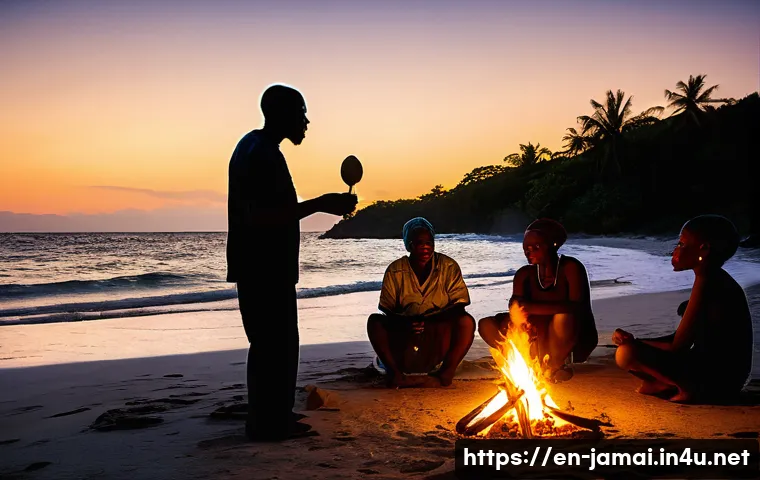
These stories often incorporate humor, wisdom, and social commentary, delivered with a rhythm that draws listeners in. I once sat by a beach bonfire where a local storyteller spun tales about Anansi, the trickster spider, using Creole’s musical intonations that made every word resonate deeper than a simple translation ever could.
This oral tradition keeps cultural values alive and strengthens community bonds.
Expressions of Emotion and Identity
Jamaican Creole carries emotional weight that sometimes gets lost in translation. Phrases like “Mi miss yuh bad” (I really miss you) or “Big up yuhself” (Give yourself respect) express feelings with a rawness and authenticity that English equivalents often lack.
I’ve noticed how people light up when they hear these expressions—they’re not just words but affirmations of identity and pride. This language is a daily reminder of resilience, joy, and the struggles overcome by the Jamaican people, making every conversation a small celebration of culture.
The Influence of Music and Art
Reggae and Dancehall Lyrics
Music is where Jamaican Creole truly shines, carrying the spirit and stories of the island worldwide. Reggae legends like Bob Marley used Creole to spread messages of freedom, resistance, and unity, making the language synonymous with cultural pride.
Dancehall artists continue this tradition, blending slang, rhythm, and storytelling in ways that resonate with youth globally. Listening to these genres, I’ve felt how the language pulsates with energy, turning everyday phrases into powerful anthems that invite listeners to feel, reflect, and move.
Poetry and Spoken Word
Beyond music, Jamaican Creole fuels poetry and spoken word performances that explore identity, history, and social issues. The language’s flexibility allows poets to express complex emotions and ideas with nuance and flair.
Attending a spoken word event in a Kingston cafe, I witnessed performers use Creole’s musicality and expressiveness to captivate audiences, making abstract concepts tangible and deeply personal.
This creative use of language enriches the cultural landscape and offers a platform for voices that might otherwise go unheard.
Visual Arts and Language Fusion
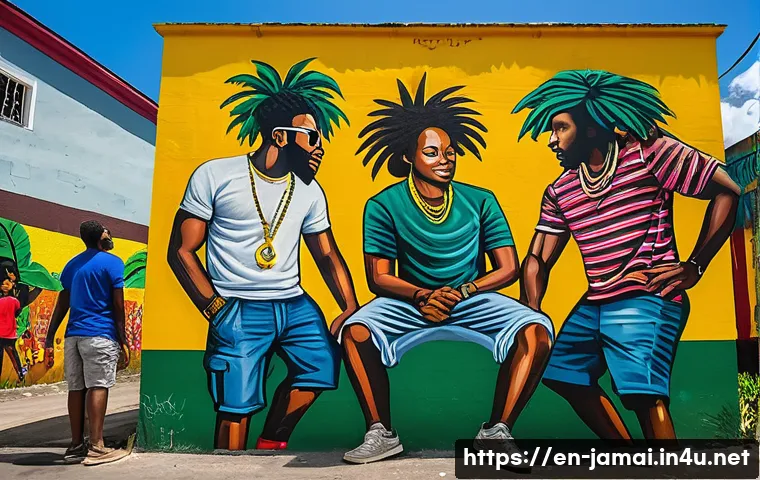
Visual artists often incorporate Jamaican Creole phrases into their work, blending text and imagery to celebrate heritage. Murals with bold Creole slogans or graffiti that captures local slang provide a vibrant backdrop to urban life.
I’ve seen street art in places like Trenchtown where colorful Creole words leap off walls, inviting passersby to engage with the culture visually and linguistically.
This fusion of language and art serves as a living gallery of Jamaican identity, accessible to all who roam the streets.
Grammar and Structure: What Makes Jamaican Creole Unique?
Verb Usage and Tense
Jamaican Creole’s verb system simplifies tense compared to English but conveys meaning just as effectively. For example, the word “a” is often used to indicate the present continuous tense, as in “Mi a go” (I am going).
Past tense is usually shown by context or specific particles like “did.” This streamlined approach makes the language flexible and expressive, especially in fast-paced conversations.
Having tried to learn some Creole phrases myself, I found this system intuitive—it feels natural, almost like the language flows with your emotions instead of rigid rules.
Pronouns and Sentence Construction
Pronouns in Jamaican Creole can differ significantly from English, with “mi” for I/me, “yu” for you, and “im” for he/she/it. Sentence structure often follows a subject-verb-object pattern but allows for omission of certain elements when context is clear.
For instance, “Mi go market” means “I am going to the market” without needing articles or auxiliary verbs. This simplicity doesn’t reduce clarity; instead, it enhances conversational speed and intimacy, making interactions feel more direct and personal.
Vocabulary Roots and Borrowings
The vocabulary reflects a rich blend of English, African languages, Spanish, and indigenous terms. Words like “nyam” (to eat) come from West African origins, while others like “pickney” (child) hint at Portuguese or Spanish influences.
This linguistic tapestry reveals the island’s complex history and the resilience of its people in preserving identity through language. When I first encountered these words, I was fascinated by their origins and how they coexist seamlessly, creating a vibrant, living lexicon.
Social Dynamics and Jamaican Creole
Language and Social Class
While Jamaican Creole is widely spoken across the island, its social perception varies. Historically, English was associated with education and formal settings, while Creole was linked to the working class.
However, this divide has been shifting. Many Jamaicans proudly use Creole in all areas of life, embracing it as a marker of cultural pride. I’ve met professionals who switch effortlessly between English and Creole, showing how language can bridge social divides rather than reinforce them.
Creole in Education and Media
The role of Jamaican Creole in education remains complex. Schools primarily teach in English, but there’s growing recognition of Creole’s value in learning and cultural expression.
Media outlets increasingly feature Creole content, from radio shows to TV programs, helping normalize its use and boost acceptance. Watching local broadcasts, I noticed how presenters seamlessly mix Creole and English, making information accessible and relatable while celebrating cultural identity.
Language and Identity Politics
Jamaican Creole is often at the center of discussions about national identity and post-colonial pride. Advocates argue that embracing Creole affirms Jamaica’s unique voice on the global stage.
Critics sometimes fear it may hinder English proficiency, but many see it as complementary rather than oppositional. Having spoken with locals, I’ve sensed a deep emotional connection to Creole—it’s more than language; it’s a declaration of history, survival, and self-respect.
Understanding Jamaican Creole Through Key Phrases
| Phrase | Meaning | Context |
|---|---|---|
| Wah gwaan? | What’s going on? | Common greeting among friends |
| Mi deh yah | I’m here / I’m doing well | Response to greetings |
| Big up yuhself | Give yourself respect | Encouragement or praise |
| Nyam up | Eat up | Invitation to enjoy food |
| Pickney | Child | Refers to kids or young people |
Challenges of Preserving Jamaican Creole
Standardization Efforts
One major challenge is the lack of a standardized written form, which complicates formal education and documentation. Different spellings and grammar rules exist depending on the speaker’s background and region.
I’ve noticed this variation when reading Creole texts or social media posts—sometimes it takes a moment to adjust and understand the intended meaning.
Efforts to create standardized orthographies aim to boost literacy and cultural pride but must balance flexibility with consistency.
Generational Language Shifts
Younger Jamaicans often mix Creole with English or other languages, influenced by globalization and digital communication. While this blending keeps the language dynamic, it also raises concerns about dilution of traditional forms.
In conversations with young locals, I observed a playful attitude toward language, but also a respect for Creole as a cultural anchor. Supporting youth engagement with Creole through creative media and education is key to its survival.
Global Recognition and Respect
Despite its rich heritage, Jamaican Creole sometimes faces stigma internationally as “broken English.” Changing this perception requires education and exposure.
Jamaican artists, writers, and scholars play a vital role by showcasing Creole’s depth and versatility. From my perspective, hearing and reading Creole in respected cultural works helps shift attitudes, encouraging appreciation rather than dismissal of this vibrant language.
The Role of Jamaican Creole in Diaspora Communities
Maintaining Cultural Roots Abroad
For Jamaicans living abroad, Creole serves as a powerful link to home. It fosters a sense of identity and community among diaspora populations in places like New York, London, and Toronto.
I’ve witnessed family gatherings where Creole flows naturally, preserving traditions and stories that might otherwise fade. This linguistic connection helps immigrants navigate their new environments while honoring their heritage.
Language Adaptation and Evolution
In diaspora settings, Jamaican Creole adapts by incorporating local slang and expressions, creating unique hybrids. This evolution reflects the dynamic nature of language as it interacts with new cultural contexts.
From chatting with second-generation Jamaicans, I learned how these adaptations shape identity—balancing respect for origins with a desire to belong in new societies.
Community Events and Cultural Education
Diaspora communities often organize cultural festivals, language classes, and storytelling sessions to promote Creole use and heritage awareness. These events are vital for passing down knowledge to younger generations who may have limited exposure otherwise.
Attending such events, I’ve felt the pride and joy that language brings, reinforcing how Creole remains a vibrant thread in the global Jamaican story.
글을 마치며
Jamaican Creole is much more than a way of speaking; it’s a vibrant expression of culture, identity, and community. Through everyday conversations, music, storytelling, and art, the language connects people across generations and borders. Embracing Creole means celebrating resilience and creativity rooted in Jamaica’s rich history. Whether at home or abroad, this language continues to thrive as a living symbol of pride and belonging.
알아두면 쓸모 있는 정보
1. Jamaican Creole is widely spoken alongside English in Jamaica, making bilingualism common and fluid among locals.
2. The language’s simplicity in grammar and rich vocabulary make it accessible for learners who want to engage with Jamaican culture authentically.
3. Music genres like reggae and dancehall are key gateways for understanding and appreciating Jamaican Creole’s rhythm and spirit.
4. Efforts to standardize Creole spelling and grammar are ongoing, aimed at improving literacy and formal recognition without losing its natural flow.
5. Diaspora communities play a crucial role in preserving and evolving Jamaican Creole, blending it with local influences while maintaining cultural roots.
중요 사항 정리
Jamaican Creole is a dynamic and expressive language that reflects Jamaica’s unique cultural identity. Its use spans casual conversation, music, art, and education, bridging social divides and fostering community pride. While challenges like standardization and generational shifts exist, ongoing efforts and diaspora engagement ensure its vitality. Recognizing Creole as a valuable linguistic heritage enriches both Jamaican culture and the global appreciation of diverse languages.
Frequently Asked Questions (FAQ) 📖
Q: What makes Jamaican Creole different from standard English?
A: Jamaican Creole, or Patois, differs from standard English primarily in its pronunciation, vocabulary, and grammar. While it borrows heavily from English, it incorporates words and structures from African languages, Spanish, and indigenous tongues, creating a distinct rhythm and expression.
For example, the sentence “I am going home” in English might be said as “Mi a go a mi yard” in Jamaican Creole. This blend reflects Jamaica’s complex history and cultural mix, making Patois a unique way of communicating that carries emotional depth and cultural identity beyond just the words.
Q: Is Jamaican Creole widely understood outside Jamaica?
A: Jamaican Creole is most commonly spoken within Jamaica and among Jamaican communities worldwide, especially in places with large Jamaican diasporas like the UK, Canada, and the US.
However, outside these communities, it might not be easily understood because it isn’t just English with an accent—it’s a separate language with its own rules and vocabulary.
That said, thanks to the global popularity of reggae music, dancehall, and Jamaican culture, many people have become familiar with common Patois phrases and expressions, making it increasingly recognized internationally.
Q: Can learning Jamaican Creole help me understand Jamaican culture better?
A: Absolutely! Learning Jamaican Creole opens up a deeper connection to Jamaica’s history, music, and everyday life. Since the language carries the island’s stories, humor, and values, understanding it helps you appreciate the nuances in reggae lyrics, folk tales, and conversations.
From my experience chatting with locals and listening to authentic Jamaican music, I noticed how Patois expresses emotions and cultural pride in ways that standard English can’t capture.
So, even a basic grasp of Jamaican Creole enriches your cultural insight and makes your experience with Jamaica more meaningful.