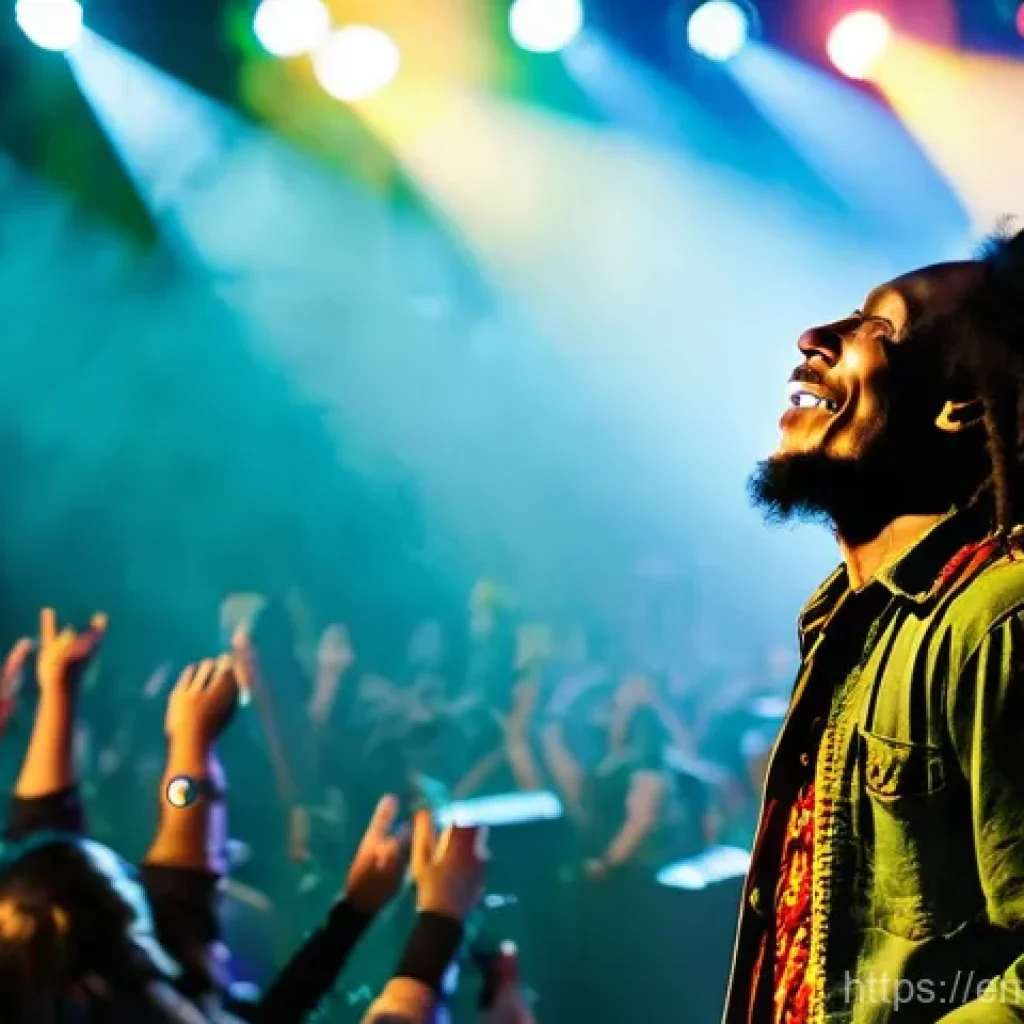
I remember exactly where I was the first time a Bob Marley song truly hit me – it wasn’t just music, it was a feeling, a whole worldview encapsulated in rhythm and soulful lyrics.
His melodies have this uncanny ability to make you move, think, and, most importantly, feel connected to something bigger than yourself. It’s incredible to think that decades after his passing, Bob Marley’s influence isn’t just intact; it’s arguably more vital than ever.
In a world often grappling with division and uncertainty, his calls for peace, unity, and social justice ring with an almost prophetic clarity, inspiring new waves of activists and artists alike.
You’ve probably heard his iconic tunes playing everywhere from bustling city streets to quiet beach cafes, and there’s a good reason why. His reggae rhythms are more than just catchy; they carry a profound message that speaks directly to the human spirit, urging us to ‘get up, stand up’ for what’s right and to find ‘one love’ among us all.
I’ve always been fascinated by how effortlessly Bob Marley bridged the gap between infectious grooves and deep philosophical insights. His music isn’t just background noise; it’s a vibrant tapestry woven with tales of struggle, hope, and the unwavering belief in a brighter, more harmonious future.
It’s a testament to his artistry that his lyrics still resonate so powerfully, offering comfort and inspiration when we need it most, proving his message is truly timeless.
Let’s really dig in and unravel the full depth of his enduring musical legacy and profound global impact.
The Universal Language of Liberation: More Than Just a Beat
There’s this almost magical quality to Bob Marley’s music, isn’t there?
Echoes of Hope in Divided Times
It often strikes me how many of Bob Marley’s lyrics feel like they were written yesterday, not decades ago. We live in a world that, despite all our advancements, still feels deeply fragmented – politically, socially, and even economically. But then you hear a song like “One Love,” and it’s like a sudden, warm embrace, cutting through all the noise. His vision for a more unified and loving world, echoed in simple yet profound messages, truly makes us reflect on our shared humanity and the sheer power of music to foster change. It reminds me that even when things feel heavy, there’s always an underlying current of hope, a collective desire for peace that his music taps into. It’s a powerful testament to the idea that love and understanding can, and must, overcome hatred and division, a philosophy he lived and breathed through every note and word.
The Power of the One Drop
Beyond the philosophical depth, there’s the undeniable physical pull of his music. That distinctive “one drop” rhythm isn’t just a musical technique; it’s the heartbeat of reggae, and frankly, a pulse that resonates with something primal within us. While Bob Marley didn’t invent reggae, he certainly popularized its golden era, becoming its most lasting icon and global ambassador. I mean, before him, reggae was largely confined to the streets of Jamaica. But he opened those doors, making the world fall in love with its rich rhythms and deep lyrical content. It’s a rhythm that can make you want to dance, but also sit and contemplate, a unique blend that I personally find incredibly grounding and inspiring. It’s truly something else to experience that beat live, feeling it vibrate through your very core.
From Trenchtown’s Spirit to Global Stages
It’s easy to look at Bob Marley now, an icon whose image is plastered on everything from posters to coffee mugs, and forget just how humble his beginnings were. Born Robert Nesta Marley in the small village of Nine Mile, Jamaica, his early life was shaped by the poverty and struggles of Trench Town. But it was in that culturally rich community, often dubbed the birthplace of reggae, that his abundant musical talents were nurtured. He didn’t just sing songs; he poured his life experiences, the collective struggles of his people, and his Rastafarian beliefs into every track. His journey from those modest beginnings to becoming a global phenomenon is genuinely inspiring, a testament to raw talent, unwavering determination, and a message that simply refused to be confined by borders. When I listen to his early Wailers tracks, I can almost feel the grit and passion that fueled those young artists, dreaming of a better world from their Kingston streets. It reminds me that true greatness often emerges from the most unexpected places.
A Humble Beginning, a Mighty Roar
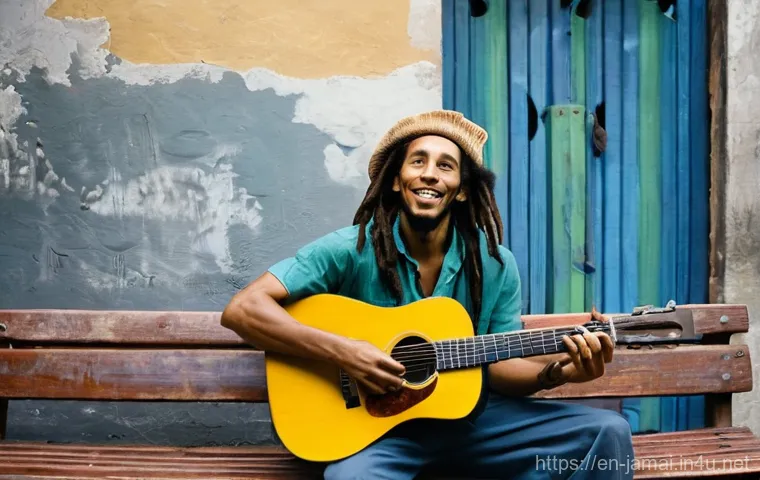
Can you imagine starting out with nothing but big dreams and a deep love for music, in a place like Trench Town? That’s where Bob Marley began his musical journey. With The Wailers, his band, he didn’t just play tunes; he told stories, sharing messages about peace, love, and the ongoing fight against injustice. Albums like “Catch a Fire,” “Natty Dread,” and “Exodus” weren’t just hits; they were masterpieces that spoke to the hearts of millions. This wasn’t some manufactured pop star; this was a man whose experiences were pivotal in shaping his worldview and, consequently, his unique musical style. I’ve always admired how he never shied away from his roots, instead embracing them and letting them fuel his art. It’s a powerful reminder that authenticity is key to truly connecting with people, and that’s something Bob Marley had in spades.
Breaking Barriers, Spreading Reggae
The turning point for Marley and reggae on the international stage really came with his signing to Island Records and his collaboration with Chris Blackwell. This partnership was crucial, opening doors and propelling him beyond Jamaica’s shores. Suddenly, the world was introduced to this new sound, combining soulful rhythms with powerful lyrics, and it captivated audiences everywhere. I mean, talk about breaking barriers! His success wasn’t just personal; it paved the way for countless other reggae artists, solidifying the genre’s lasting impact globally. It’s incredible to think that one artist could become such a powerful cultural ambassador, not just for his music, but for an entire nation and a spiritual movement. His tours sold out stadiums across continents, transforming concerts into powerful spiritual and political events. That kind of reach and influence is something truly rare and special in the history of music.
Beyond the Music: A Fashion and Cultural Beacon
When I think of Bob Marley, it’s not just the music that springs to mind; it’s also that iconic image, isn’t it? His look was just as revolutionary and deeply personal as his sound, becoming a global symbol in its own right. From his signature dreadlocks to his vibrant, often comfortable, yet boldly patterned attire, he exuded an effortless coolness that spoke volumes. It wasn’t about fleeting trends; it was about authenticity, cultural pride, and a clear, defiant statement of identity rooted in his Rastafarian beliefs and Jamaican heritage. I’ve seen countless people, from street artists to high-fashion designers, draw inspiration from his aesthetic, proving that his style transcended mere clothing to become a powerful form of visual art and self-expression. It’s truly amazing how his appearance became synonymous with a whole movement, speaking to millions who resonated with his message of liberation and self-acceptance. His influence on culture goes so far beyond just what you hear; it’s also what you see and what it makes you feel about who you are.
Style as a Statement
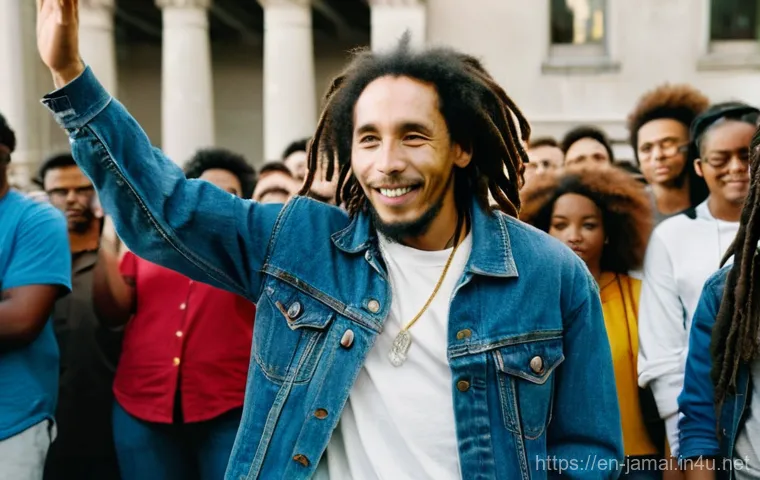
Bob Marley’s fashion was never just about what he wore; it was about why he wore it. His casual yet bold outfits, often featuring bright red, yellow, and green, weren’t just sartorial choices; they were reflections of his Rastafarian faith and his revolutionary spirit. He wore comfort with confidence, whether it was denim on denim, flowing ‘gandoras,’ or his distinctive wool hats. His ability to blend these elements created a fusion of cultural pride and political statement that still resonates today. Modern artists like Lenny Kravitz and Rihanna have channeled his aesthetic, and even brands like Theophilo and Daily Paper have created collections inspired by his look and lyrics. It’s more than just fashion; it’s a way of wearing your beliefs, and that’s something I find incredibly compelling and something that encourages a deeper, more mindful approach to personal style. He showed that you could be stylish without conforming, that your clothing could be an extension of your message.
Rastafarian Roots, Global Reach
The core of Bob Marley’s being, and therefore his cultural impact, was deeply embedded in his Rastafarian beliefs. This faith shaped his worldview, inspiring his unwavering messages of unity, peace, and resistance against oppression. His dreadlocks, his diet, his very way of life – these were all statements that communicated his spirituality and connection to African heritage. Through his music, he became a bridge, introducing the philosophy of Rastafari to a global audience, helping to shape it into a worldwide phenomenon. His influence has transcended race, color, and creed, even inspiring movements and monuments in unexpected places, like a statue in Serbia commemorating him as a “Fighter For Freedom, Armed With A Guitar.” It shows me that when your message comes from a place of genuine belief and spiritual conviction, it can move mountains, reaching people far beyond what you could ever imagine. It’s a powerful lesson in the ripple effect of authentic living.
The Activist’s Anthem: Inspiring Generations to “Get Up, Stand Up”
It’s hard to overstate how profoundly Bob Marley used his music as a force for activism. For me, his songs like “Get Up, Stand Up” aren’t just great tunes; they’re emotional rallying cries that ignite a fire in your belly. His lyrics, infused with themes of liberation, resistance, and hope, resonated deeply with people from all walks of life, becoming anthems for social movements across the globe. From the civil rights struggles in the U.S. to anti-apartheid protests in South Africa, his voice provided a soundtrack for those fighting for justice and equality. I often think about how he fearlessly used his platform to shed light on the struggles faced by the oppressed, particularly in his beloved Jamaica, inspiring a generation to stand up against injustice. His ability to blend infectious rhythms with profound political and social consciousness made him an incredibly powerful force for change, and that energy, that defiant spirit, is something I still feel intensely every time I listen to his work. It’s a reminder that music can indeed be a potent tool for revolution, without needing a single weapon.
Music as a Catalyst for Change
Marley’s songs were not merely entertainment; they were powerful instruments for change, directly addressing issues of racial equality, economic justice, and spiritual awakening. Think about “War,” a song that directly quotes a speech by Emperor Haile Selassie I, articulating a vision of peace that hinges on the end of racial discrimination. Or “Buffalo Soldier,” which highlights the struggles against oppression and the quest for freedom. His ability to connect complex social issues with emotional depth ensured his music resonated with incredibly diverse audiences. It’s inspiring how many artists today still follow in his footsteps, leveraging their own platforms to advocate for change, proving that his blueprint for using music as activism is more relevant than ever. This commitment to challenging the status quo and speaking truth to power is what cemented his place not just as a musician, but as a true prophet of resistance. He truly believed in the transformative power of art.
A Peacemaker’s Legacy
Perhaps one of the most poignant moments demonstrating his impact as a peacemaker was the 1978 One Love Peace Concert in Jamaica. Amidst intense political violence, Marley brought rival political leaders Michael Manley and Edward Seaga onto the stage, joining their hands above his head in a powerful gesture of unity. Can you imagine the courage and conviction that took? That image, for me, is absolutely iconic, a vivid illustration of music’s power to bridge divides and mediate conflicts. He even performed at Zimbabwe’s independence ceremony in 1980, showing how his music became associated with black political independence movements worldwide. His commitment to peace transcended cultural and geographical boundaries, touching millions and earning him the UN Medal of Peace in 1978. It makes me feel a deep sense of admiration for someone who truly put his beliefs into action, risking his own safety for the greater good.
Marley’s Lasting Imprint on Modern Artists
It’s genuinely mind-blowing to consider how deeply Bob Marley’s influence permeates the music landscape today. I mean, you can hardly listen to modern pop, hip-hop, or even electronic music without catching echoes of reggae’s distinctive rhythms and conscious lyrical style. Artists from every genre frequently cite Marley as a major inspiration, and it’s not just about his musical style; it’s his unwavering commitment to using art as a force for good that truly sticks with them. I’ve personally spoken with so many emerging artists who talk about how his fearlessness in tackling social injustice gave them the courage to use their own voices. His legacy isn’t just about preserving reggae; it’s about pushing the boundaries of what music can achieve. It truly makes me feel that great art never dies; it simply transforms and inspires new creators to carry its truth forward. His message is a living, breathing entity that continues to shape the sounds and messages of today’s music world.
Influencing Genres and Minds
Bob Marley’s musical innovations, particularly his popularization of the “one-drop” rhythm and soulful basslines, redefined reggae and left an indelible mark on global music. But his influence stretched far beyond reggae itself, shaping genres from rock to hip-hop and EDM. Artists like Nas and The Notorious B.I.G. have cited him as an inspiration, recognizing his ideas of empowerment and resistance. His ability to blend confrontation with unity, to deliver profound messages within infectious melodies, is a blueprint that contemporary musicians continue to explore and adapt. It’s truly fascinating to see how a sound born in Jamaica can organically intertwine with so many different musical expressions across the world, proving that genuine artistry transcends any single genre. I love how his music encourages this kind of cross-pollination, making everything richer.
Passing the Torch: The Next Generation
The incredible thing is that Bob Marley’s message didn’t die with him; it multiplied, resonating through his own children and a new generation of artists. His sons, like Ziggy and Damian Marley, have proudly carried the torch, winning Grammys and continuing to evolve the reggae sound while respecting its deep roots. Beyond his direct lineage, countless new artists are finding innovative ways to keep his message alive, ensuring its relevance in today’s world. From virtual tours of his home to fan-created content on social media, the digital age has brought fresh avenues for experiencing his legacy. It feels like a beautiful continuity, a testament to the fact that genuine impact creates a ripple effect that extends far into the future. It’s comforting to know that the spirit of “One Love” continues to be nurtured and shared by new voices.
The Enduring Business of a Legend
Okay, let’s get real for a moment about the business side of things, because it’s as fascinating as the music itself. Bob Marley’s legacy isn’t just a cultural phenomenon; it’s also a thriving economic engine, even decades after his passing. I mean, the man died without a will, which, being a Rastafarian, was aligned with his faith, but it led to years of complex legal battles for his family. Yet, despite those challenges, his estate continues to generate significant income, estimated by Forbes to be around $20 million annually in recent years. That’s a serious testament to the enduring commercial power of his name and music! His greatest hits compilation, “Legend,” released posthumously in 1984, is the best-selling reggae album of all time, having sold over 15 million copies in the U.S. alone and spending hundreds of weeks on the Billboard 200. I remember buying my first copy of “Legend” and thinking about how every single track was a masterpiece. This continued success isn’t just accidental; it’s a carefully managed empire, ensuring his message and influence persist far beyond his lifetime, reaching new audiences through strategic moves in music, merchandising, and media.
From Royalties to Riches: A Posthumous Empire
The monetization of Bob Marley’s legacy is incredibly diverse. We’re talking about far more than just album sales and streaming royalties, although those are certainly substantial. His tracks have accounted for over four billion Spotify streams, and his publishing catalog was even acquired for over $50 million by Primary Wave Music Publishing in 2018. But it’s not just music; his brand extends to an astonishing array of merchandise. You can buy Bob Marley backpacks, jigsaw puzzles, even sustainably sourced audio equipment and skateboard decks. There’s also the cannabis brand Marley Natural, which shows how deeply his name has become intertwined with various commercial ventures. It’s a powerful illustration of how a cultural icon can continue to be a significant economic force, something that frankly makes me wonder about the true value of lasting artistic impact in today’s world.
Keeping the Message Authentic
While the commercial success is undeniable, there’s always this delicate balance to strike between monetization and maintaining the authenticity of Bob Marley’s powerful message. His family, particularly his children, have been instrumental in managing his estate and ensuring that his vision for a better world is carried forward through various initiatives in education, healthcare, and environmental sustainability via The Bob Marley Foundation. They’ve made conscious efforts to protect his intellectual property and likeness, understanding that his brand is more than just a name; it’s a symbol of liberation and unity. It’s a tricky tightrope to walk, keeping the spirit of a revolutionary alive while also navigating the realities of a global commercial market. But when I see the positive work done in his name, it truly feels like a fitting continuation of his mission, proving that the business of Bob Marley can indeed be a force for good, echoing his desire for upliftment and empowerment. It’s about ensuring that the roots of his message remain strong, no matter how wide the branches spread.
| Aspect of Legacy | Key Contribution/Impact | Timeless Relevance |
|---|---|---|
| Musical Innovation | Popularized “One-Drop” rhythm, blended genres like ska, rock, and soul, and brought reggae to a global audience. | Still influences modern pop, hip-hop, and electronic music. |
| Social Activism | Used lyrics as anthems for justice and resistance (“Get Up, Stand Up,” “War”). Advocated for racial equality, peace, and unity. | Continues to inspire social movements and activists fighting against oppression worldwide. |
| Cultural Iconography | His dreadlocks and vibrant style became symbols of Rastafarianism and counterculture. Global image on merchandise. | Influences fashion, film, and art, symbolizing resistance and cultural pride. |
| Spiritual Message | Spread Rastafarian beliefs emphasizing unity, peace, and African heritage through his music. | Offers wisdom and hope in divided times, fostering a quest for truth and harmony. |
| Global Unity | Championed “One Love,” promoting togetherness and bridging divides, even uniting political rivals. | His message resonates as a mantra for peace, unity, and harmony in a globally connected world. |
Frequently Asked Questions (FAQ) 📖
Q: What makes Bob Marley’s music still so incredibly relevant today, decades after he left us?
A: Oh, this is a question I get all the time, and it warms my heart because it means people are still feeling his vibe! For me, it boils down to the pure, unadulterated truth in his lyrics and those utterly infectious rhythms.
Bob Marley’s songs aren’t just catchy tunes; they’re anthems for universal themes like peace, unity, justice, and standing up for what’s right. Think about it – in a world that often feels more divided than ever, his call for “One Love” resonates so deeply, urging us to find common ground.
It’s like a timeless soundtrack for social change, inspiring generations to demand a better world. I’ve noticed that whether you’re grappling with personal struggles or looking at global issues, his music provides both comfort and a powerful sense of empowerment.
He somehow managed to turn his personal experiences, especially from growing up in Trench Town, into something profoundly political and universally relatable.
This isn’t just music you listen to; it’s music you feel in your bones, urging you to think, to question, and to connect with something bigger than yourself.
That connection? It’s why his message isn’t fading; it’s growing stronger, echoing through new artists and movements every single day.
Q: Beyond the “One Love” message, what were the most powerful and enduring themes Bob Marley championed in his music?
A: You know, it’s easy to focus on “One Love,” and rightly so – it’s a masterpiece! But if you really dig into his catalog, Bob Marley was a master at weaving so many profound threads into his music.
He was, at his core, a voice for the oppressed and marginalized. Songs like “Get Up, Stand Up” weren’t just a suggestion; they were a fierce, undeniable rallying cry for human rights and liberation, inspiring activism from anti-apartheid movements in South Africa to civil rights struggles worldwide.
He spoke truths about racial equality, economic justice, and spiritual awakening, often rooted deeply in his Rastafarian beliefs. This wasn’t just a faith to him; it was a philosophical and spiritual foundation that shaped his entire worldview, encouraging harmony with nature and resistance to materialism.
His lyrics were often rich with allegory and allusion, allowing everyone, no matter their background, to find personal meaning in his calls for freedom and self-determination.
My personal takeaway from diving into his work is that he wasn’t afraid to confront harsh realities while still offering hope and the promise of redemption, like in “Redemption Song.” It’s this powerful blend of protest, peace, and spirituality that truly cemented his lasting impact.
Q: How did a musician from a small island like Jamaica become such a monumental global icon?
A: That’s truly the magic of Bob Marley, isn’t it? His journey from the streets of Trench Town to becoming a worldwide phenomenon is nothing short of incredible.
First off, he was a genius at taking reggae, a distinctly Jamaican sound, and making it universally appealing. Before him, reggae was mostly known on the island, but he, along with The Wailers and Island Records, catapulted it onto the global stage.
He wasn’t just singing songs; he was delivering powerful messages in a way that transcended language and cultural barriers. His charisma was undeniable, but it was his authenticity and his unwavering commitment to using music as a force for change that truly resonated with people everywhere.
He became an ambassador not just for reggae, but for Jamaica itself, embedding its vibrant culture into the global consciousness. His image — dreadlocks, vibrant attire, that iconic gaze — became a global symbol of resistance, unity, and Afrocentric pride.
Stadium tours across Europe, North America, and Africa weren’t just concerts; they were spiritual and political events. He defied political attacks and physical threats, his resilience only solidifying his status.
Even after his untimely passing, his popularity exploded, as new generations discovered the depth and relevance of his artistry. It really proves that when your message is pure and your delivery is authentic, it can touch every corner of the world.