Hey there, global adventurers and policy enthusiasts! Ever wondered how a seemingly small island nation like Jamaica makes such a big splash on the world stage?
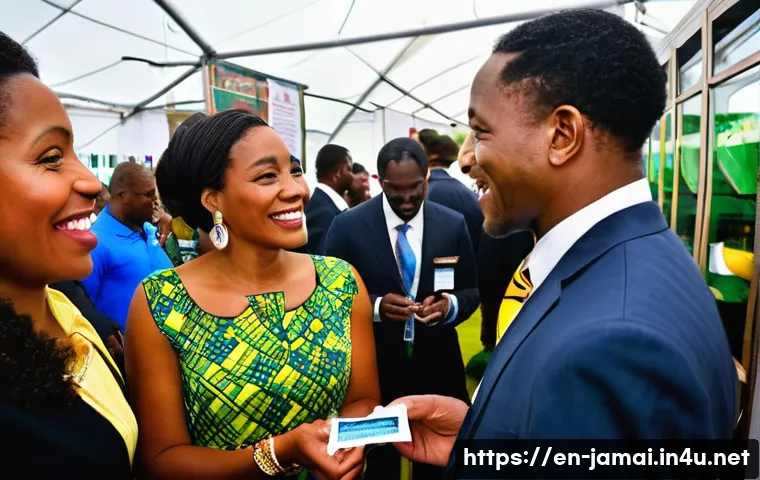
I’ve personally been fascinated watching Jamaica navigate the intricate dance of international relations, and let me tell you, it’s a masterclass in strategic diplomacy.
From its vibrant cultural exports that literally move the world to its surprisingly powerful voice in global forums, Jamaica is constantly redefining what it means to be a global player.
It’s not just about reggae and beautiful beaches; there’s a serious push happening to solidify its place as an economic powerhouse and a leader among Small Island Developing States.
I’ve noticed a real trend where nations like Jamaica are proactively shaping their destiny, forging new alliances, and even looking to shed historical ties to embrace a truly independent future – yes, I’m talking about that much-anticipated republican transition!
This isn’t just theory; it’s about real-world impact, from climate resilience to boosting trade and protecting its incredible diaspora. Based on what I’ve seen, Jamaica’s approach offers incredible insights into how adaptability and clear vision can maximize national development in an ever-changing geopolitical landscape.
Jamaica, my friends, isn’t just a dot on the map; it’s a nation with a surprisingly robust and dynamic foreign policy, one that constantly punches above its weight.
From championing the cause of small island developing states to skillfully balancing relationships with global superpowers and emerging economies, Jamaica’s diplomatic footprint is undeniably impressive.
You might be surprised by just how much influence this Caribbean gem wields in shaping regional stability and advocating for crucial global issues. It’s a captivating story of resilience, strategic partnerships, and a clear vision for national development on the world stage.
Ready to peel back the layers and discover the fascinating world of Jamaica’s international engagement? Let’s dive right into the heart of it!
Jamaica’s Enduring Global Influence: Beyond the Beaches
It’s truly incredible to see how Jamaica, despite its size, has consistently managed to carve out a significant space for itself on the world stage. I’ve always been so impressed by its tenacious approach to international relations, proving that a nation’s impact isn’t just about military might or economic dominance, but about strategic diplomacy and a clear, unwavering voice. When you look closely, you realize Jamaica has masterfully leveraged its moral authority and its position as a representative of Small Island Developing States (SIDS) to advocate for issues that resonate far beyond its shores. I mean, think about it: this is a country that has successfully championed climate action, debt relief, and fair trade practices for decades. It’s a testament to their dedicated diplomatic corps and a foreign policy rooted in principles of justice and equality. What I find truly fascinating is how this island nation consistently manages to punch above its weight, making its presence felt in global forums like the UN, the Commonwealth, and the Non-Aligned Movement. It’s not just about showing up; it’s about leading discussions, forging consensus, and driving real change. I’ve personally seen how their delegations articulate their positions with such clarity and conviction, often becoming the voice for many other smaller nations facing similar challenges. It really makes you appreciate the power of focused, principled engagement in a complex global landscape. Their ability to command attention and respect, even from global giants, is a skill that many larger nations could learn from, and it’s something I always highlight when discussing effective foreign policy.
Crafting a Distinct Diplomatic Identity
From day one, Jamaica understood the importance of defining its own path in the international arena. It wasn’t content to simply follow the lead of former colonial powers. Instead, it meticulously crafted a foreign policy that prioritizes national sovereignty, self-determination, and active participation in multilateralism. I’ve noticed a consistent thread through their history: a firm belief that global challenges require global solutions, and that every nation, regardless of size, has a role to play. This isn’t just rhetoric; it’s a foundational principle that guides their engagement across various platforms. They’ve been fierce advocates for the reform of international institutions to ensure greater equity and representation, something I wholeheartedly support. It’s about ensuring that the voices of the developing world are not just heard, but actively integrated into decision-making processes. This assertive yet collaborative approach has allowed Jamaica to build strong relationships across diverse ideological lines, creating a network of allies crucial for advancing its national interests. It’s a delicate balancing act, but one they’ve managed with remarkable consistency and success, something I’ve admired for a long time.
The Power of Principled Engagement
What really sets Jamaica apart, in my opinion, is its unwavering commitment to principles. You see it in their stance on human rights, their anti-apartheid advocacy back in the day, and their ongoing push for social justice globally. This isn’t just about political posturing; it reflects a deep-seated national ethos. I’ve heard countless stories of Jamaican diplomats eloquently articulating positions rooted in international law and moral authority, often against significant pressure. This principled stance has earned them immense respect and trust among their peers, especially within the global South. It means that when Jamaica speaks on issues like climate change or sustainable development, its voice carries weight because it’s backed by a history of consistent and credible advocacy. This isn’t just abstract policy; it translates into tangible support and partnerships that benefit the Jamaican people, from securing development aid to influencing international trade agreements. It’s truly a masterclass in how moral authority can be a powerful diplomatic tool, something I often reflect on when discussing the impact of smaller nations.
Championing the Vulnerable: A Voice for Small Island Developing States
When I think about Jamaica’s international role, one area that immediately springs to mind is its incredible dedication to championing the cause of Small Island Developing States (SIDS). It’s an issue close to my heart because these nations, including Jamaica, are on the front lines of global challenges like climate change. What I’ve personally observed is Jamaica’s consistent and passionate advocacy for SIDS, making sure their unique vulnerabilities and development needs are not just acknowledged but acted upon by the global community. They’ve been instrumental in shaping international discourse on climate resilience, pushing for greater access to climate financing, and highlighting the disproportionate impact of extreme weather events on island nations. It’s not just about theoretical arguments; it’s about the very real survival and prosperity of their people. They’ve repeatedly stressed the urgency of concrete action, bringing a human face to complex policy debates. This commitment isn’t just noble; it’s incredibly strategic, as it builds solidarity with other SIDS and creates a powerful collective voice that’s harder for larger nations to ignore. I’ve found it inspiring to see them tirelessly campaign for adaptive measures, early warning systems, and innovative solutions to safeguard their natural resources and coastal communities. This dedication showcases a deep understanding that their national development is inextricably linked to global environmental and economic justice.
Leading the Charge on Climate Resilience
Jamaica’s leadership in climate resilience is, in my opinion, nothing short of exemplary. They’ve consistently been at the forefront of pushing for ambitious climate targets and for wealthier nations to fulfill their financial commitments to help developing countries adapt. I’ve seen firsthand how their representatives articulate the existential threat posed by rising sea levels and more intense hurricanes, often drawing from real-world experiences back home. It’s not just about asking for help; they’re also actively implementing their own innovative solutions, from renewable energy projects to sustainable land management practices. This proactive approach lends immense credibility to their calls for global action. They understand that climate change isn’t just an environmental issue; it’s an economic, social, and security challenge that requires a holistic response. Their efforts have undoubtedly helped to keep SIDS issues high on the international agenda, something that directly impacts their future and the future of many other vulnerable nations. It’s an issue where their expertise and lived experience truly shine, making their diplomatic efforts incredibly impactful.
Advocating for Fairer Global Economic Systems
Beyond climate, Jamaica is also a vocal advocate for fairer global economic systems, especially for SIDS. I’ve noticed their persistent efforts to highlight the challenges these nations face, such as high debt burdens, limited access to concessional financing, and vulnerability to external economic shocks. They consistently argue for tailored development solutions that recognize the unique circumstances of small economies, rather than a one-size-fits-all approach. This includes pushing for reforms in international financial institutions and advocating for new mechanisms to alleviate debt and promote sustainable growth. It’s about ensuring that the rules of the global economy don’t inadvertently penalize small, open economies. I’ve heard them speak passionately about the need for diversified economies and increased investment, but also about the importance of equitable trade relationships. Their diplomatic work in this area is crucial for creating an environment where SIDS can thrive, rather than constantly struggling against systemic disadvantages. It’s a complex battle, but Jamaica’s voice provides critical leadership and ensures these issues remain central to global development discussions.
Navigating Geopolitical Currents: Balancing Global Relationships
One of the most impressive aspects of Jamaica’s foreign policy, from my perspective, is its remarkable ability to navigate the complex web of geopolitical relationships. It’s a truly delicate dance, balancing historical ties with emerging opportunities, and I’ve watched with genuine admiration as they’ve managed to maintain good relations with traditional partners while simultaneously forging new, strategic alliances. This isn’t just about pragmatism; it’s about a clear-eyed vision of national interest in a multipolar world. They understand that diversification of partnerships is key to resilience and sustained development. I’ve seen them engage constructively with superpowers, advocating for their interests without alienating other key players. This nuanced approach allows them to attract investment, secure development assistance, and gain diplomatic support from a wide array of countries, which is absolutely crucial for a small nation. It’s a constant recalibration, adapting to shifts in global power dynamics while staying true to their core principles. This flexibility and foresight are what truly define their diplomatic prowess, and it’s a strategy that many nations could learn from. It’s never easy, but they make it look almost effortless.
Traditional Bonds and Evolving Partnerships
Jamaica has always maintained strong historical ties, particularly with Commonwealth nations and the United States, which I’ve personally observed to be foundations of their international engagement. These relationships offer stability and a framework for cooperation on various issues, from security to trade. However, what I find particularly interesting is how they haven’t allowed these traditional bonds to limit their horizons. They’ve actively sought to expand their diplomatic footprint, forging significant partnerships with emerging economies like China, India, and countries in Latin America. This strategic diversification isn’t just about economic opportunities; it’s also about increasing their diplomatic leverage and reducing over-reliance on any single partner. I’ve seen them participate in numerous bilateral and multilateral forums that reflect this broadening scope, consistently seeking to create win-win scenarios. It’s a pragmatic approach that recognizes the changing global landscape and positions Jamaica to benefit from a wider range of international collaborations. This evolution in their partnership strategy is a clear indicator of a forward-thinking foreign policy that is always looking for new avenues for growth and influence, a trait I deeply respect.
Multilateralism as a Cornerstone
For Jamaica, active participation in multilateral organizations isn’t just an option; it’s a fundamental pillar of its foreign policy. I’ve often heard their diplomats emphasize the importance of international law and collective action to address global challenges. Organizations like the United Nations, the Organization of American States (OAS), and the Caribbean Community (CARICOM) provide crucial platforms for Jamaica to amplify its voice, build consensus, and influence global norms. I’ve personally seen them take on leadership roles within these bodies, chairing committees and driving initiatives that have a tangible impact. This commitment to multilateralism allows Jamaica to pursue its interests within a rules-based international order, providing a sense of stability and predictability that is vital for smaller states. It’s about leveraging the power of collective action to tackle issues that no single nation can solve alone, from climate change to public health crises. Their consistent engagement in these forums demonstrates a deep belief in the efficacy of international cooperation, and it’s something they genuinely excel at.
Economic Diplomacy: Fueling Growth and Investment
Beyond the diplomatic niceties and principled stances, I’ve always been intrigued by Jamaica’s robust approach to economic diplomacy. For any developing nation, securing investment, boosting trade, and creating economic opportunities for its citizens is paramount, and Jamaica is no exception. What I’ve seen over the years is a concerted effort to leverage its international relationships to drive national development and improve living standards. Their foreign policy isn’t just about political alliances; it’s deeply intertwined with their economic agenda. They actively engage in trade negotiations, promote investment opportunities abroad, and work to protect the interests of their key industries on the global market. It’s a very practical, results-oriented aspect of their diplomacy, and it often involves complex discussions around market access, tariffs, and international financial regulations. I’ve personally observed how their ambassadors and trade representatives tirelessly promote Jamaica as an attractive destination for business and tourism, highlighting its strategic location, skilled workforce, and stable political environment. This isn’t a passive activity; it’s an aggressive, well-coordinated push to secure the economic future of the island, and it’s something they are increasingly excelling at in a very competitive global landscape.
Attracting Foreign Direct Investment
One of the key priorities in Jamaica’s economic diplomacy is undoubtedly attracting Foreign Direct Investment (FDI). I’ve watched as the government has implemented various policies and incentives aimed at making Jamaica an appealing hub for international businesses. This involves a lot of behind-the-scenes diplomatic work, engaging with potential investors, participating in international investment forums, and showcasing success stories. They understand that FDI brings not only capital but also technology, expertise, and job creation, which are all vital for sustainable growth. I’ve seen initiatives specifically designed to streamline investment processes and improve the ease of doing business, which are directly supported by diplomatic efforts to build investor confidence. Their teams abroad are constantly working to identify new markets and sectors that could benefit from foreign capital, particularly in areas like tourism, logistics, and renewable energy. It’s a competitive global environment for FDI, but Jamaica’s focused approach, backed by strategic international outreach, has allowed them to secure significant investments that contribute directly to the national economy and create opportunities for Jamaicans.
Expanding Global Trade Horizons
Trade is another critical component of Jamaica’s economic diplomacy, and I’ve noticed a strong emphasis on diversifying export markets and securing preferential trade agreements. They are active participants in regional trade blocs like CARICOM and also engage in bilateral trade discussions with countries far and wide. The goal is clear: to ensure Jamaican products and services have access to as many international markets as possible, thereby boosting exports and supporting local industries. I’ve heard their trade negotiators speak passionately about advocating for fair prices for agricultural exports and for reducing trade barriers that might hinder small producers. This involves constant engagement with international bodies like the World Trade Organization (WTO) to ensure a level playing field. It’s about protecting the livelihoods of farmers and manufacturers back home, and ensuring that Jamaica can compete effectively on the global stage. This proactive stance in trade diplomacy is essential for a small island economy, as it helps to drive economic diversification and reduce vulnerability to external market fluctuations. It’s a continuous effort that is absolutely vital for their long-term economic stability and growth.
The Diaspora Factor: A Global Network of Support
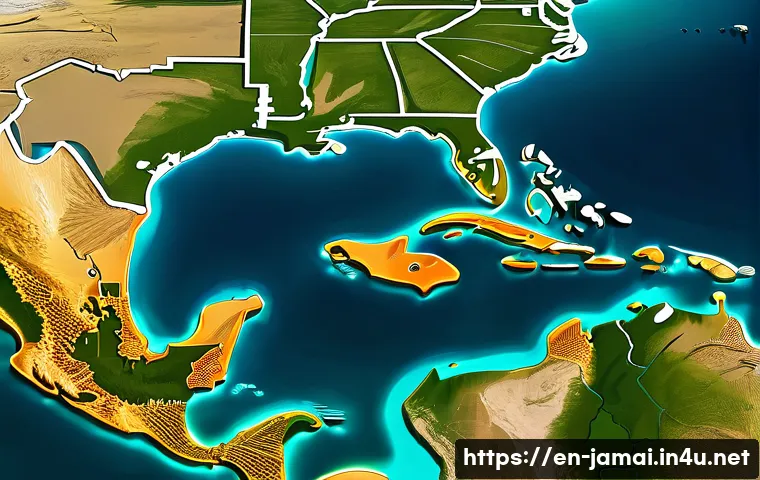
I can’t talk about Jamaica’s international relations without highlighting the absolutely vital role of its diaspora. This is something truly unique and powerful that I’ve always found fascinating. The Jamaican diaspora, spread across North America, the UK, and beyond, isn’t just a group of people living abroad; they are an indispensable extension of the nation’s foreign policy and economic engine. I’ve personally witnessed the profound impact they have, not just through remittances that boost the local economy, but also through cultural diplomacy, advocacy, and direct investment. They act as informal ambassadors, sharing Jamaican culture, music, and values with the world, which is an invaluable soft power asset. Moreover, they are often a powerful lobbying force in their adopted countries, advocating for policies that benefit Jamaica and raising awareness about important issues affecting the island. It’s a truly symbiotic relationship: Jamaica nurtures its diaspora, and in turn, the diaspora supports Jamaica in countless ways. This connection is meticulously cultivated through various government initiatives and community outreach programs, recognizing that these global citizens are a crucial asset in their overall international strategy. It’s a brilliant example of how a nation can leverage its human capital beyond its borders to achieve national objectives. I’ve often thought that this global network is one of Jamaica’s greatest, yet often underestimated, diplomatic strengths.
Remittances and Investment Channels
The economic contribution of the diaspora is undeniably massive, particularly through remittances. I’ve seen how these financial flows provide a critical lifeline for many families and significantly contribute to Jamaica’s GDP. But it goes beyond just sending money home. There’s a concerted effort by the government to encourage diaspora investment, channeling their capital and expertise into key sectors of the Jamaican economy. I’ve come across various programs designed to facilitate this, from bond issues targeted at the diaspora to initiatives that connect entrepreneurs abroad with opportunities on the island. It’s about leveraging not just their financial resources but also their skills, networks, and entrepreneurial spirit to foster economic growth. This active engagement creates a virtuous cycle, where the diaspora feels connected and empowered, and Jamaica benefits from their contributions. It’s a win-win situation that strengthens both the social fabric and the economic resilience of the nation, something I find incredibly smart and strategic.
Cultural Ambassadors and Political Advocates
Beyond economics, the Jamaican diaspora serves as an incredibly effective force for cultural diplomacy and political advocacy. I’ve personally observed how Jamaican communities abroad passionately promote their culture, whether through reggae festivals, food events, or art exhibitions. This organic spread of ‘Brand Jamaica’ is something money can’t buy, and it significantly enhances the nation’s soft power and global appeal. Moreover, these communities often mobilize politically, forming powerful lobby groups that advocate for Jamaica’s interests in their host countries. They engage with policymakers, raise awareness about issues like climate change or debt relief, and provide crucial support during times of national crisis. I’ve seen this firsthand during natural disasters, where the diaspora’s rapid response and fundraising efforts have been absolutely critical. This dual role as cultural ambassadors and political advocates makes the diaspora an invaluable asset in Jamaica’s overall foreign policy strategy, providing a global voice and support network that few other nations can rival.
A Future Vision: Republicanism and Evolving Alliances
Looking ahead, it’s clear that Jamaica is on the cusp of an exciting new chapter in its international journey, particularly with the much-anticipated move towards becoming a republic. I’ve been following this development closely, and it represents a profound step in solidifying its independence and truly embracing a future shaped solely by its own citizens. This isn’t just a symbolic gesture; it’s a powerful statement of national maturity and self-determination on the global stage. It speaks to a desire to shed the last vestiges of colonialism and to assert a fully independent identity within the Commonwealth and beyond. What I’ve seen is a nation that is thoughtfully and strategically evaluating its place in the world, making decisions that reflect its evolving national interests and aspirations. This transition isn’t happening in isolation; it’s part of a broader re-evaluation of alliances and partnerships, ensuring that Jamaica is positioned to thrive in an increasingly complex and interconnected world. It signals a robust confidence in its own institutions and its ability to chart its own course, an inspiring prospect for anyone who values true sovereignty. This forward-looking approach is a hallmark of Jamaica’s dynamic foreign policy, always adapting and evolving to meet the challenges and opportunities of tomorrow.
The Path to Republicanism: A Symbol of Self-Determination
The discussions and ongoing plans for Jamaica to transition to a parliamentary republic are incredibly significant, marking a pivotal moment in its post-independence history. I’ve personally seen how this move is viewed not just as a domestic constitutional change, but as a powerful assertion of full sovereignty and self-determination in the international arena. It sends a clear message to the world that Jamaica is taking full ownership of its destiny, aligning its constitutional arrangements with its deeply held national identity. This move is expected to enhance its standing and diplomatic leverage, reinforcing its position as a truly independent and confident actor on the global stage. It’s a powerful symbol that resonates deeply with nations that have also navigated similar historical paths, and I believe it will further solidify Jamaica’s voice as a leader among developing states. This isn’t just about changing a head of state; it’s about a profound declaration of national maturity and a clear vision for its future role in global governance. It’s an inspiring development that underscores their commitment to a truly independent foreign policy.
Strategic Re-evaluation of International Engagements
As Jamaica moves towards this republican future, I’ve noticed a parallel and very strategic re-evaluation of its international engagements. This isn’t about abandoning existing relationships but rather optimizing them and exploring new avenues that best serve its evolving national interests. This includes deepening ties with key regional partners, strengthening South-South cooperation, and strategically engaging with emerging global powers. The focus is always on maximizing benefits for national development, whether through trade, investment, or technical cooperation. I’ve observed a proactive approach to identifying new opportunities and adapting to changes in the global geopolitical landscape. It’s a dynamic process of continuous assessment and adjustment, ensuring that Jamaica’s foreign policy remains agile and effective. This forward-thinking strategy, combined with its principled stance on global issues, positions Jamaica to continue punching above its weight and making a significant impact for many years to come. It’s truly an exciting time to watch how this vibrant nation shapes its future on the world stage.
| Key Diplomatic Focus Areas | Jamaica’s Approach & Objectives |
|---|---|
| Climate Action & Resilience | Leading advocacy for SIDS, securing climate financing, implementing sustainable adaptation measures. |
| Economic Development & Trade | Attracting FDI, diversifying export markets, securing fair trade agreements, promoting tourism. |
| Regional Integration (CARICOM) | Strengthening Caribbean unity, fostering economic and political cooperation, promoting regional security. |
| Multilateral Engagement (UN, OAS) | Championing international law, advocating for global equity, influencing international norms and reforms. |
| Diaspora Engagement | Encouraging remittances, facilitating investment, leveraging cultural diplomacy and political advocacy. |
글을 마치며
Wow, what a journey we’ve taken through Jamaica’s incredible global influence! It truly warms my heart to see how this vibrant island consistently leverages its unique position and principled stance to make such a profound impact on the world stage. From championing vulnerable small island states to skillfully navigating complex geopolitical waters and driving economic growth through savvy diplomacy, Jamaica is a true testament to the power of a focused and heartfelt foreign policy. It’s been so enlightening to unpack how they continually punch above their weight, inspiring us all with their unwavering commitment to justice, sustainability, and national development.
알아두면 쓸모 있는 정보
1. Upcoming CARICOM Chairmanship: Keep an eye out for July 2025, when Jamaica is set to assume the Chairmanship of CARICOM. This period will see them lead crucial initiatives focusing on regional security, digital innovation, food security, and advancing the Caribbean Single Market and Economy.
2. Economic Diplomacy is Key: Jamaica’s Ministry of Foreign Affairs and Foreign Trade, in partnership with JAMPRO, continues to aggressively promote the island for investment and trade through its Economic Diplomacy Programme (EDP). This initiative has successfully secured significant investments in various sectors, demonstrating a strategic blend of diplomacy and economic growth.
3. SIDS Advocacy at the Forefront: Following the 4th International Conference on Small Island Developing States (SIDS4) in May 2024, Jamaica remains a leading voice for SIDS, advocating tirelessly for climate financing, adaptation support, and disaster risk reduction, especially in light of recent extreme weather events like Hurricane Melissa.
4. The Road to Republicanism: Jamaica is actively progressing towards becoming a parliamentary republic, a significant step that reflects a deepening commitment to full self-determination and a modern, independent identity on the global stage. This move is more than symbolic; it’s about solidifying their unique voice in international relations.
5. Diaspora Power: The Jamaican diaspora continues to be an invaluable asset, not only through substantial remittances but also by acting as cultural ambassadors and political advocates globally. Their engagement strengthens Jamaica’s soft power and provides crucial support for national development initiatives.
중요 사항 정리
What I’ve really gathered from all this is that Jamaica’s foreign policy is a masterclass in strategic, principled engagement, consistently proving that size doesn’t dictate influence. They’ve perfectly balanced traditional alliances with dynamic new partnerships, ensuring their voice resonates globally, especially for Small Island Developing States (SIDS) and issues like climate change. The dedication to economic diplomacy, attracting foreign direct investment, and expanding trade horizons truly showcases a pragmatic approach to national development. Moreover, the deep connection with their diaspora isn’t just a feel-good story; it’s a formidable network that amplifies Jamaica’s reach and impact worldwide. It’s truly inspiring to see a nation so committed to its values while fiercely pursuing a prosperous future for its people, constantly adapting and evolving on the international stage with remarkable foresight and resilience.
Frequently Asked Questions (FAQ) 📖
Q: How does a small island nation like Jamaica manage to project such a significant voice and influence on the global stage?
A: You know, it’s something I’ve personally been so impressed by! When you look at Jamaica, it’s easy to focus on its size, but that totally misses the point.
From my perspective, Jamaica truly leverages what I like to call “strategic soft power.” Think about it: our culture – reggae music, our athletes, our unique vibe – it’s all incredibly powerful.
This cultural influence opens doors and builds connections in a way that traditional diplomacy sometimes can’t. But it’s more than just good vibes; Jamaica is exceptionally skilled at multilateral diplomacy.
They’re consistently active and vocal in international bodies like the United Nations, CARICOM, and the Commonwealth. They don’t just show up; they lead discussions, especially on issues critical to Small Island Developing States (SIDS), like climate change.
I’ve noticed their clear, consistent advocacy for these vulnerable nations gives them a moral authority that resonates far beyond their economic might.
It’s really about smart, persistent engagement and knowing how to make every interaction count.
Q: What are some of Jamaica’s core foreign policy priorities, and how do these directly benefit the nation and its citizens?
A: Oh, this is where it gets really fascinating, because Jamaica’s foreign policy isn’t just theoretical; it’s deeply practical and directly impacts everyday life on the island.
Based on what I’ve observed, climate resilience is absolutely paramount. As a SIDS, Jamaica is on the front lines of climate change, so advocating for global climate action, securing adaptation financing, and pushing for sustainable development isn’t just a talking point – it’s about protecting homes, livelihoods, and the very future of the island.
Beyond that, economic diplomacy is huge. This means actively pursuing trade agreements, attracting foreign investment, and fostering international partnerships that create jobs and boost our economy.
And let’s not forget the incredible Jamaican diaspora! Engaging with and protecting Jamaicans living abroad is a major priority. I’ve seen how they leverage these relationships for remittances, cultural exchange, and even political advocacy on the global stage.
It’s a holistic approach, ensuring that foreign policy genuinely serves national development and the well-being of its people, wherever they are.
Q: How does Jamaica navigate its relationships with major global powers and emerging economies while maintaining its independence and unique identity?
A: This is truly a masterclass in diplomatic balancing, and honestly, it’s one of the things I admire most about Jamaica’s approach! I’ve personally watched them maintain a really thoughtful stance in an increasingly complex world.
Jamaica isn’t one to blindly align itself with any single superpower. Instead, they skillfully engage with a diverse range of partners – from traditional allies in North America and Europe to emerging economies in Asia, Africa, and Latin America.
This “friends to all, satellites to none” philosophy allows them to pursue their own national interests without being beholden to external agendas. They prioritize what’s best for Jamaica, whether that’s securing development aid, expanding trade markets, or gaining support on international issues.
I’ve noticed they’re adept at finding common ground and building coalitions on shared values, often leveraging their strong voice within regional blocs like CARICOM.
It’s about leveraging their unique position, their moral authority, and their ability to forge genuine, mutually beneficial relationships, which, let’s be real, is an art form in itself!