Alright, my fellow travel enthusiasts, get ready because today we’re diving headfirst into one of the most vibrant, soul-stirring destinations on earth: beautiful Jamaica!
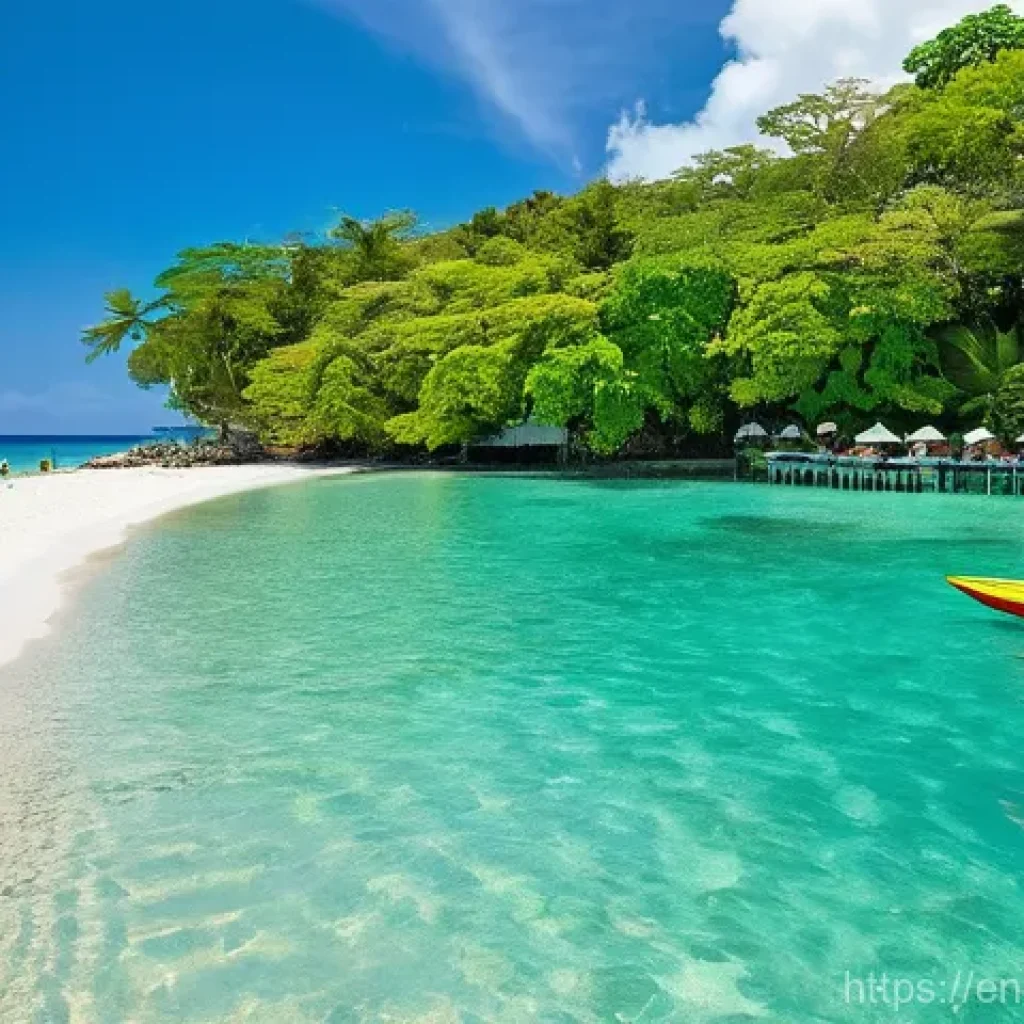
If you’re anything like me, you’ve probably pictured yourself swaying in a hammock, turquoise waves lapping at your toes, and that warm Caribbean sun kissing your skin.
But when it comes to planning that dream getaway, a question I get asked all the time is, “When is the *absolute best* time to go?” Trust me, I’ve spent enough time exploring this incredible island to tell you that while Jamaica always brings the heat, knowing its unique climate patterns can truly elevate your trip from great to unforgettable.
From dodging unexpected downpours to finding that sweet spot of perfect weather and fewer crowds, timing really is everything to maximize those precious vacation days and truly soak up every ounce of “one love” the island offers.
Let’s make sure your Jamaican adventure is nothing short of perfection! We’re going to break down everything you need to know to pick your ideal travel dates.
Chasing the Sun: Decoding Jamaica’s Peak and Shoulder Seasons
The Allure of the Dry Season: December to April
Let me tell you, when those dreary winter months hit up north, there’s absolutely nothing quite like escaping to Jamaica’s dry season. My own experiences, especially during trips from mid-December to mid-April, have shown me this is when the island truly shines with consistently sunny, glorious days and minimal rainfall.
It’s the picture-perfect Caribbean dream you see on postcards, where temperatures comfortably hover between the mid-70s and low 80s Fahrenheit (around 24-29°C), sometimes even dipping to a refreshing 70°F in the mountains.
The air feels crisp and light, a wonderful change from the humidity that can sometimes settle in other parts of the year. This period, particularly February and March, often sees the least amount of rain, with barely an inch or two across the entire month.
I’ve found these months are ideal for everything from lounging on Negril’s famous Seven Mile Beach to exploring Dunn’s River Falls without worrying about an afternoon downpour cutting your adventure short.
However, with perfection comes popularity. This is definitely peak tourist season, meaning you’ll be sharing those stunning beaches and vibrant attractions with more fellow travelers, and you’ll want to book your flights and accommodations well in advance to snag the best deals.
Shoulder Season Sweet Spots: Late Spring & Late Fall
Now, if you’re like me and appreciate a bit more elbow room without sacrificing too much of that fantastic weather, Jamaica’s shoulder seasons are your secret weapon.
I’ve discovered two truly delightful windows: mid-April to June and then again from November to mid-December. These periods offer a fantastic balance where the throngs of peak season tourists start to thin out, but the weather generally remains superb.
In late April and May, for instance, the intense peak season tourism begins to wane, and while there might be a slight increase in rain compared to the driest months, it’s usually just brief, refreshing showers that quickly give way to sunshine.
I love these months because you can often find better deals on flights and resorts, which always makes my travel budget smile. Similarly, November to mid-December is another gem.
The wet season rains are easing off, many hotels have finished their seasonal renovations, and the beaches are noticeably less crowded before the Christmas and New Year’s rush truly begins.
My personal tip? If you’re looking for that perfect blend of good weather, fewer crowds, and more attractive prices, these shoulder seasons are where it’s at.
Embracing the Tropics: Navigating Jamaica’s Wet Season
Understanding the Rains: June to November
Alright, let’s talk about the wet season, which officially runs from June to November. Now, don’t let the name scare you off! When people hear “wet season,” they often picture endless days of torrential rain, but my experience traveling through Jamaica during these months tells a different story.
It’s not typically an all-day wash-out. Instead, you’ll more often encounter heavy, but usually short, afternoon showers or thunderstorms. These tropical downpours are often a welcome cool-down on a hot day, leaving behind a refreshed, lush landscape.
The peak of the wet season usually occurs towards the end, from August to October, and this is also when the chances of more intense storms increase. However, what I’ve found fascinating is how much the weather can vary across the island.
For instance, the northern slopes of the Blue Mountains are inherently very wet year-round, while Kingston, on the sheltered south coast, typically sees significantly less rain.
Even popular spots like Montego Bay and Ocho Rios can see differing rainfall patterns, with some regions experiencing more rain later in the season.
Hurricane Season Realities: June to November
Now, it’s important to address the elephant in the room: hurricane season, which aligns with the wet season, from June 1st through November 30th. While the thought of a hurricane can be daunting, it’s crucial to put it into perspective.
The highest likelihood of tropical activity, including hurricanes, is generally between mid-August and mid-October. Historically, direct hurricane hits on Jamaica are quite rare, occurring about once every decade, though tropical storms are more common.
From my perspective, traveling during this time isn’t necessarily a “no-go,” especially if you’re flexible and keep an eye on weather forecasts. Many savvy travelers like myself actually target these months for the incredible deals you can find.
Hotels and flights often offer significant discounts, making a luxurious trip much more accessible. I’ve personally scored some fantastic bargains during this period, and while I always recommend travel insurance as a safety net, I’ve rarely had a trip completely derailed.
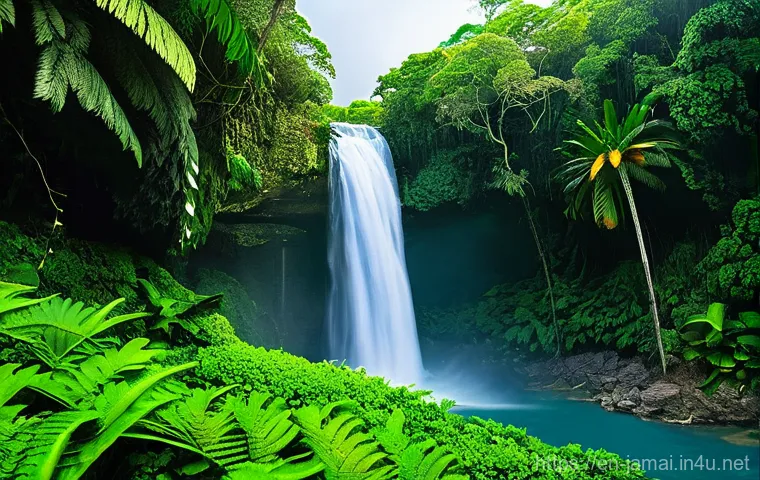
You’ll also discover that the island is incredibly lush and vibrant after the rains, and the waterfalls are absolutely spectacular.
Beyond the Forecast: Jamaica’s Lively Event Calendar
Winter Wonders and Spring Flings
Let’s be real, a big part of any travel experience is soaking in the local culture, and Jamaica’s event calendar is absolutely bursting with life, especially during the peak and shoulder seasons.
If you’re visiting between January and April, you’re in for a treat with a packed schedule of major festivals. I’ve had the pleasure of experiencing Bob Marley Week in February, a truly spiritual dive into reggae history in Kingston, which is an absolute must for music lovers.
January kicks off with the Accompong Maroon Festival, a deep cultural celebration that’s truly unique. And then there’s Carnival in Jamaica, which spans from mid-February to April, culminating in a dazzling road march in Kingston.
The energy, the music, the vibrant costumes – it’s an explosion of Caribbean joy that you just have to see to believe. Trust me, it’s an incredible time to visit if you want to be right in the heart of the party, though you’ll need to book early due to the crowds.
Summer Rhythms and Autumn Flavors
Even when the weather is a bit wetter, Jamaica’s spirit never dampens, and the festival scene keeps on grooving. July brings the legendary Reggae Sumfest to Montego Bay, one of the biggest reggae festivals globally, and International Reggae Day.
If you’re a foodie like me, you absolutely cannot miss the various Jerk Festivals that pop up around the island throughout the year. My taste buds still dream about the flavors!
Later in the year, around August, the island celebrates Emancipation Day and Independence Day with parades, concerts, and cultural expos that are incredibly moving and insightful.
And as the year winds down, Negril hosts the Reggae Marathon in December, a fantastic event combining music and sports along the beautiful coast. It’s clear that no matter when you decide to visit, Jamaica offers an event that will ignite your senses and connect you with its incredible culture.
Savvy Travel: Unlocking Off-Peak Deals and Fewer Crowds
Finding Your Budget Sweet Spot
Let’s talk money, because who doesn’t love a good deal, right? My extensive travel experience has taught me that while Jamaica is always worth it, your wallet will thank you if you aim for the off-peak or shoulder seasons.
Generally, the absolute lowest prices on flights, accommodations, and even tours can be found between July and October. This period, often coinciding with parts of the hurricane season, sees traveler numbers at their smallest, prompting resorts and airlines to offer enticing discounts.
I’ve personally snagged some incredible packages during these months, allowing me to stay in places that would have been far out of reach during peak season.
Another fantastic window for savings is from late April to early June. After the Spring Break rush and before the summer surge, the weather is still lovely, but prices start to drop significantly.
It’s a sweet spot where you get great weather and significantly reduced rates.
Enjoying the Island in Tranquility
Beyond just the financial aspect, traveling during the off-peak and shoulder seasons offers another priceless perk: fewer crowds. This means more tranquil beaches, easier reservations at those sought-after restaurants, and generally a more relaxed vibe across the island.
I cherish those moments when I can walk along a less-crowded beach, truly soaking in the serene beauty without feeling rushed. You’ll find that attractions are less busy, and you’ll often have a more intimate experience with local culture and people.
For instance, January, after the New Year’s rush and before Spring Break, can offer a brief lull with lower rates and more availability. If you value privacy and a laid-back atmosphere, these are the times to go.
It allows for a deeper connection with the island’s natural beauty and the rhythm of Jamaican life, away from the bustling peak season energy.
Packing Your Bags: Essential Gear for Every Jamaican Journey

Dry Season Essentials: Sun, Swim, and Style
When I’m packing for a dry season trip to Jamaica, my mind immediately goes to sunshine and all the amazing outdoor activities the island offers. Lightweight, breathable clothing is an absolute must – think cotton, linen, and anything that keeps you cool in that glorious Caribbean heat.
Of course, swimsuits are practically a second skin, because you’ll be spending a lot of time by the water, whether it’s the ocean or a waterfall. Sun protection is non-negotiable: a wide-brimmed hat, good quality sunglasses, and a reef-safe sunscreen with a high SPF are always at the top of my list.
I learned the hard way that the Jamaican sun is no joke! For footwear, I usually bring comfortable sandals for the beach and casual strolls, and then a pair of sturdy walking shoes or sneakers if I plan on doing any hiking or exploring more rugged terrain, like in the Blue Mountains.
Evenings can be slightly cooler, especially in January, so a light cover-up or a stylish shirt is perfect for dinner or a night out. And don’t forget a reusable water bottle – staying hydrated is key!
Wet Season Wisdom: Prepared for Anything
Packing for the wet season, while still requiring all your warm-weather gear, needs a little extra thought. I’ve found that being prepared for those sudden showers makes all the difference.
A lightweight, packable rain jacket or a small umbrella is a lifesaver; it keeps you dry during a quick downpour without adding bulk to your bag. While the sun still shines plenty, quick-drying fabrics for your clothes are a smart choice, just in case you get caught in the rain.
I always throw in a waterproof bag or a few Ziploc bags for electronics, just to be safe – better to be overprepared than have a soaked phone! Comfortable, water-resistant sandals or shoes are also a good idea, as some paths might get a little muddy after a shower.
Even during the wet season, the humidity can be high, so breathable materials are still paramount. My top tip: embrace the rain! It’s often brief, and those post-rain moments, with the air feeling fresh and the foliage glistening, are some of the most beautiful on the island.
A Regional Roundup: Weather Variations Across the Island
Coastal Charms: Montego Bay, Negril, and Ocho Rios
Having explored Jamaica extensively, I’ve noticed that while the general seasonal patterns hold true, the microclimates across the island can surprise you.
Take Montego Bay, for example, a popular hub on the north coast. It experiences slightly more rainfall than the capital, Kingston, but still boasts plenty of sunshine, especially during the dry season.
My trips there usually involve consistent warmth, perfect for beach days. Negril, known for its stunning beaches and laid-back vibe, can actually see some of the highest rainfall totals, with October often being its wettest month.
However, the good news is that these are typically brief, intense showers, and the sun usually makes a quick return. Ocho Rios, another favorite, tends to have some of the most consistent and pleasant weather year-round, making it a reliable choice no matter when you visit.
Its temperatures stay fairly uniform, which I find incredibly appealing for a relaxing getaway. Knowing these regional nuances can help you tailor your trip even further, ensuring you pick the perfect spot for your desired weather experience.
Mountainous Retreats and Southern Sunshine
Beyond the bustling coastal towns, Jamaica’s diverse topography plays a huge role in its weather. The majestic Blue Mountains, for instance, are a different world entirely.
They receive significantly more rainfall than the coastal areas, leading to lush, verdant landscapes. If you’re heading up into the mountains for hiking or coffee plantation tours, be prepared for cooler temperatures and a higher chance of rain, even during the dry season.
It’s a refreshing escape from the coastal heat, and the mist-shrouded peaks have a magical quality. On the other hand, Kingston, situated on the sheltered south coast, is remarkably drier than its northern counterparts.
My visits to the capital always involve plenty of sun, making it ideal for exploring its vibrant cultural scene without too much concern about rain. This contrast is one of the things I love most about Jamaica – you can literally experience multiple climates within a short drive, offering something for every kind of traveler.
| Season | Months | Typical Weather | Crowd Level | Price Range |
|---|---|---|---|---|
| Peak/Dry Season | Mid-December to Mid-April | Sunny, warm, low humidity, minimal rain | High | Highest |
| Shoulder Season | Mid-April to June & November to Mid-December | Good weather, occasional showers, pleasant | Moderate | Mid-Range |
| Low/Wet Season | July to October | Hot, humid, heavy afternoon showers, hurricane risk | Low | Lowest |
Maximizing Your Jamaican Experience: Beyond the Weather
Embracing the Local Vibe and Culinary Delights
For me, a trip to Jamaica is never just about the weather; it’s about fully immersing myself in the “one love” spirit of the island. No matter when you visit, there’s a vibrant local culture waiting to be discovered.
I always make it a point to engage with the locals, try their recommendations for hidden gems, and truly embrace the laid-back pace of life. And oh, the food!
Jamaican cuisine is an experience in itself. During the dry season, I feast on fresh fish, authentic jerk chicken, and a bounty of tropical fruits that are absolutely at their peak.
The street food scene is buzzing, and I can never get enough of the patties and “Festival” dumplings. In the wetter months, while some fruits like mangoes and ackee are abundant, the local vendors often have special dishes that reflect the season’s harvest, offering a unique taste of the island’s flavors.
My advice? Step out of the resorts, explore the local markets, and try everything you can. Your taste buds will thank you.
Adventures for Every Season: From Reefs to Rainforests
One of the most incredible things about Jamaica is the sheer diversity of activities available, no matter the time of year. During the dry season, the crystal-clear waters are perfect for scuba diving and snorkeling.
I’ve spent countless hours exploring the vibrant coral reefs around Negril and Montego Bay, and the visibility is just phenomenal. It’s also prime time for hiking in the cooler mountain regions, with trails that lead to breathtaking waterfalls and panoramic vistas.
But don’t think the wet season means staying indoors! Quite the opposite. This is when the island’s natural beauty truly comes alive.
I’ve found that the wet season offers fantastic opportunities for eco-tourism. Imagine guided tours through the Cockpit Country, discovering hidden caves and unique rock formations amidst incredibly lush, vibrant foliage, all brought to life by the recent rains.
The waterfalls, already stunning, flow with even greater power and majesty during these months, making them an unforgettable sight. So, whether you’re a sun-worshipper or a nature enthusiast, Jamaica truly has an adventure waiting for you, year-round.
Wrapping Up Our Jamaican Journey
And there you have it, my friends! Jamaica truly is a captivating island that offers an unforgettable experience, no matter which season you choose to visit. Whether you’re chasing that quintessential dry season sunshine, looking for a savvy shoulder season deal, or embracing the lush beauty of the wet season, each period brings its own unique charm and adventures. From the vibrant music festivals to the tranquil beaches and delicious food, the “one love” spirit of Jamaica shines through all year long. So pack your bags, choose your adventure, and get ready to fall in love with this incredible Caribbean gem!
Handy Tips for Your Jamaican Adventure
1. Book in Advance for Peak Season: If your heart is set on visiting during the peak dry season (mid-December to mid-April), make sure to book your flights and accommodations well in advance. Prices are higher, and the best spots fill up quickly, so early planning is your best friend to secure those dream deals and avoid disappointment.
2. Consider Travel Insurance for Wet Season: For those looking to snag fantastic deals during the wet or hurricane season (June to November), travel insurance is a smart investment. While direct hurricane hits on Jamaica are quite rare, it provides peace of mind against potential travel disruptions due to tropical storms, ensuring your trip isn’t completely derailed.
3. Embrace Local Transportation: Don’t be shy to explore beyond your resort. Utilizing local route taxis or reputable chartered services can offer a more authentic experience and help you discover hidden gems that aren’t in the guidebooks. Always agree on a fare beforehand, and don’t hesitate to ask locals for their favorite recommendations.
4. Stay Hydrated and Sun Protected: The Jamaican sun is glorious but powerful, especially year-round. Always carry a reusable water bottle to stay hydrated, and generously apply high-SPF, reef-safe sunscreen. A wide-brimmed hat and quality sunglasses are also absolutely essential for enjoying those sunny days safely on the beach or during explorations.
5. Immerse Yourself in Culture: Jamaica is incredibly rich in culture, music, and cuisine, and that’s truly the heart of the island. Step out of your comfort zone to try local dishes like jerk chicken or ackee and saltfish, engage with the friendly locals, and attend a community event or festival if your timing allows. These authentic experiences will truly make your trip unforgettable and deepen your connection to the island’s vibrant soul.
Key Takeaways for Your Jamaican Getaway
Ultimately, Jamaica offers a vibrant tapestry of experiences throughout the year, each season presenting its own unique advantages. The peak dry season guarantees consistent sunshine and a bustling atmosphere, perfect for those who thrive on energy and seamless outdoor activities without a single cloud in sight. However, the shoulder seasons provide an exceptional balance, offering fantastic weather with noticeably fewer crowds and more attractive prices, making them ideal for budget-conscious travelers seeking a more relaxed pace and perhaps a bit more elbow room on the beaches. Even the wet season, often misunderstood, reveals a lush, vibrant island with incredible deals, where brief, refreshing showers enhance the natural beauty and waterfalls flow with majestic power, offering a truly unique perspective. Regardless of when you choose to visit, embracing the local culture, savoring the delicious cuisine, and seeking out adventures beyond the typical tourist paths will undoubtedly enrich your journey. Always stay flexible, keep an eye on weather forecasts, and most importantly, be open to the magic that Jamaica uniquely offers in every single month of the year.
Frequently Asked Questions (FAQ) 📖
Q: So, what’s the absolute best time to visit Jamaica for that perfect blend of gorgeous weather and good vibes without breaking the bank or battling huge crowds?
A: Ah, the million-dollar question! From my many adventures on the island, I can tell you that for the sweet spot, you’re really looking at two prime windows.
My personal favorite, and what I always recommend to friends, is from mid-November to mid-December. Why this magical time? Well, the hurricane season has just wrapped up, so the skies are typically clearer, the air is less humid, and everything feels wonderfully refreshed.
You’ll catch fantastic weather, but the huge holiday crowds haven’t quite descended yet, which means you can often snag better deals on flights and resorts.
It’s like getting a VIP pass to paradise before everyone else arrives! Another fantastic option is late April to May. This period is right after the peak winter season starts to wind down.
The weather is still absolutely beautiful, with plenty of sunshine and comfortable temperatures, but you’ll notice a significant drop in tourist numbers.
This means more space on those pristine beaches, easier reservations at your favorite jerk spots, and generally more relaxed prices. It’s perfect if you love that idyllic Caribbean weather but prefer a slightly quieter, more serene escape.
Trust me, I’ve found some incredible hidden gems during these shoulder seasons, simply because there were fewer people around!
Q: I’ve heard about Jamaica’s “rainy season” and “hurricane season.” Should I completely avoid traveling then, or are there still perks to visiting during those times?
A: That’s a really common concern, and I totally get it! “Rainy season” and “hurricane season” can sound a bit intimidating, but let’s clear up some misconceptions.
Jamaica’s hurricane season officially runs from June to November, with the highest risk months being August to October. However, the key thing to remember is that a “season” doesn’t mean non-stop storms!
In my experience, even during the rainy season, you’ll often get bright, sunny mornings, followed by a refreshing afternoon shower that typically lasts for an hour or two, then the sun pops right back out.
It’s what we affectionately call “liquid sunshine,” and it keeps the island incredibly lush and vibrant! The biggest perk of traveling during these “off-peak” months, usually July to October, is the incredible value you can find.
Prices for flights, accommodations, and even some tours often see significant drops. If you’re traveling on a budget, or simply prefer fewer crowds and a more authentic, laid-back Jamaican experience, this could actually be your ideal time.
I’ve had some of my most memorable, truly immersive trips during these months, enjoying less crowded beaches and a more relaxed pace. Just be sure to grab comprehensive travel insurance that covers hurricane-related incidents, and keep an eye on weather updates from reputable sources like the National Hurricane Center.
That way, you’re prepared for anything, and can still enjoy those fantastic deals and the island’s undeniable charm!
Q: Beyond just the weather, what about local events and festivals? Is there a particular time of year that really lets you dive into Jamaica’s vibrant culture?
A: Oh, absolutely! If you want to immerse yourself in the heart and soul of Jamaica, timing your trip around its incredible festivals is a game-changer. I always say, there’s a reason they call it the “Land of Wood and Water,” but it’s also the “Land of Music and Culture!”For music lovers, July is when Montego Bay explodes with Reggae Sumfest, a week-long celebration of reggae and dancehall that truly captures the island’s rhythm.
The energy is infectious, with both rising stars and legendary performers taking the stage. If you’re into jazz, the Ocho Rios Jazz Festival typically brightens up mid-June.
Then there’s the spectacular Carnival season, usually in April, where the streets of Kingston (and other towns) come alive with vibrant parades, dazzling costumes, and non-stop soca and calypso music.
It’s an explosion of color and joy that you simply have to experience at least once. And if you’re keen on seeing a profound display of Jamaican heritage and pride, plan your visit around late July to early August for the back-to-back Emancipation Day (August 1st) and Independence Day (August 6th) celebrations.
The entire island buzzes with cultural performances, street fairs, and fireworks. It’s a powerful time to connect with Jamaica’s history and spirit. While these events might mean a few more people and slightly higher prices in those specific locations, the unforgettable memories and vibrant cultural immersion are, in my book, completely worth it!
It’s all about choosing what kind of Jamaican magic you’re craving!