Jamaica’s stunning landscapes and vibrant culture have long captured the imagination of filmmakers around the world. From iconic classics to lesser-known treasures, the island offers a unique backdrop that brings stories to life in unforgettable ways.

With recent film projects spotlighting Jamaica’s rich heritage and breathtaking scenery, now is the perfect time to explore this cinematic gem. Whether you’re a film buff or simply curious about the magic behind the camera, diving into Jamaica’s filmography reveals a world full of color, rhythm, and soul.
Let’s embark on this journey and uncover the stories that make Jamaica a star on the silver screen.
Capturing Jamaica’s Lush Natural Beauty on Film
Verdant Mountains and Rolling Hills as Cinematic Backdrops
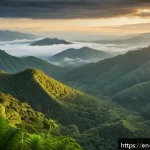
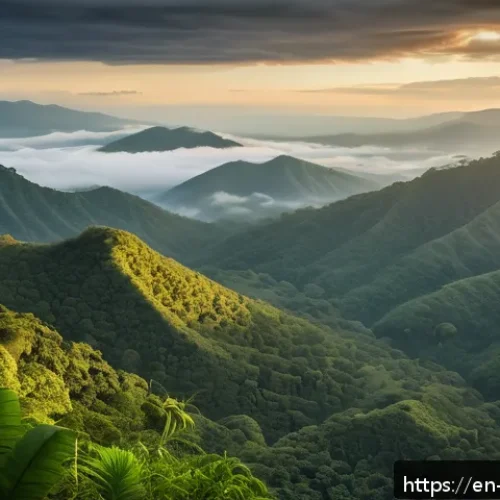
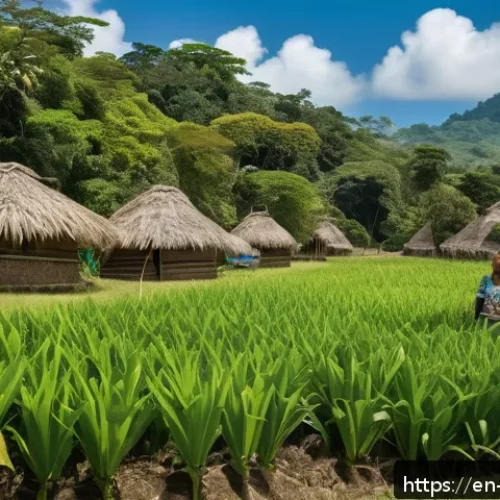
Jamaica’s mountainous terrain, especially the Blue Mountains, offers filmmakers an awe-inspiring canvas that’s both rugged and serene. I remember watching a recent film where the camera lingered on mist-covered peaks and dense tropical forests, transporting me directly into the heart of the island’s wilderness.
This natural setting provides more than just pretty scenery—it adds layers of atmosphere and mood that deepen the storytelling. The contrast between vibrant greenery and dramatic skies creates a visual poetry unique to Jamaica, making every frame feel alive and breathing.
Coastlines and Waterfalls that Spark Visual Wonder
From cascading waterfalls like Dunn’s River Falls to pristine beaches with turquoise waters, Jamaica’s coastline is a treasure trove for cinematographers.
Scenes shot along these edges often feel magical, blending the soothing sound of waves with stunning light play on water. I recall a documentary where the director used slow-motion shots of water droplets sparkling in the sunlight, creating a hypnotic effect that captivated viewers.
This interplay of water and light not only enhances the visual appeal but also symbolizes the island’s spirit—fluid, vibrant, and endlessly inspiring.
Integrating Nature’s Palette into Storytelling
Filmmakers often weave Jamaica’s natural colors into their narratives, making the environment almost a character itself. The lush greens, bright floral hues, and earthy tones frequently reflect the emotions or cultural themes being explored.
When I saw a drama set in a rural Jamaican village, the vivid colors felt like an extension of the characters’ personalities—warm, passionate, and grounded.
This thoughtful use of nature’s palette invites audiences to connect more deeply with the story and appreciate the island’s beauty beyond mere background.
The Rhythmic Pulse of Jamaican Culture in Cinema
Music as a Narrative Force
Music is inseparable from Jamaica’s identity, and its influence in film goes far beyond just a soundtrack. Reggae, dancehall, and ska rhythms often drive scenes forward, reflecting characters’ moods or societal tensions.
I once attended a screening where the soundtrack’s reggae beats made the whole room vibrate with energy, creating a shared emotional experience. This musical integration allows films to communicate the island’s cultural heartbeat, making stories resonate on a visceral level.
Local Dialects and Language Nuances
Authenticity in dialogue is crucial for capturing Jamaica’s cultural essence on screen. Patois, the island’s distinct creole language, adds texture and realism to characters, grounding stories in their local context.
When I watched a film where characters switched effortlessly between English and Patois, it felt like eavesdropping on genuine conversations, adding depth to character development.
This linguistic element enriches storytelling by preserving cultural identity and fostering a stronger connection with audiences familiar with the language.
Celebrating Traditions Through Visual Storytelling
Jamaican films often highlight traditional customs, festivals, and rituals that define community life. From vibrant street dances to spiritual ceremonies, these moments bring a dynamic cultural layer to the narrative.
I was moved by a scene depicting a traditional jerk cooking competition, where the camera’s focus on the sizzling meat and animated crowd captured the communal joy and pride.
Such portrayals not only entertain but also educate viewers about Jamaica’s rich heritage and enduring traditions.
Jamaica’s Urban Landscapes: The Pulse of Modern Storytelling
Kingston’s Vibrant Streets as a Character
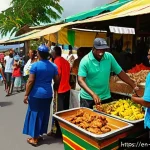
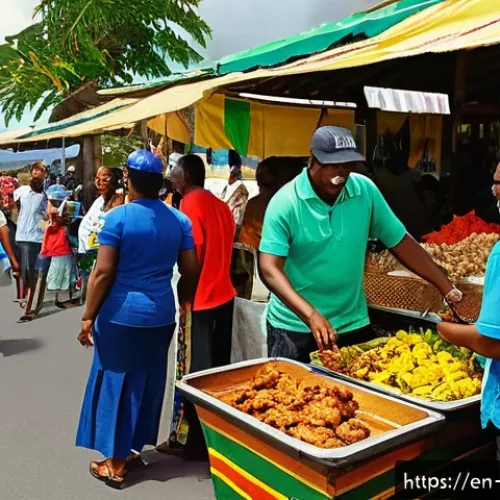
Kingston, Jamaica’s capital, offers a raw and colorful urban backdrop teeming with life. Its bustling markets, graffiti walls, and lively neighborhoods provide filmmakers with a setting full of contrasts—hope, struggle, creativity, and resilience.
I remember a gritty drama where the city’s energy was almost palpable, with handheld camera work capturing the chaotic yet vibrant street scenes. This urban authenticity adds complexity and realism, showcasing a side of Jamaica often overshadowed by its natural beauty.
Street Art and Visual Expression in Film
Street art in Jamaica’s cities is more than decoration; it’s a powerful form of storytelling and social commentary. Many films incorporate murals and graffiti to reflect characters’ attitudes or societal issues.
In one indie film I watched, bold murals served as a silent narrator, emphasizing themes of resistance and cultural pride. This visual expression enriches films by layering meaning and grounding narratives in the socio-political fabric of Jamaican life.
Contrasts Between Tradition and Modernity
Urban Jamaican films often explore the tension between preserving cultural roots and embracing modern influences. Characters navigate between traditional values and contemporary challenges, creating rich dramatic conflict.
I was particularly struck by a story where a young protagonist wrestled with balancing family expectations and dreams in the tech-driven world of Kingston.
This dynamic tension adds emotional depth and reflects real-life experiences many Jamaicans face today.
Spotlighting Jamaican Stories: Voices Behind and In Front of the Camera
Local Talent Shaping Authentic Narratives
Jamaican actors, directors, and writers bring invaluable insight and authenticity to their projects. Their lived experiences help craft stories that resonate deeply with both local and international audiences.
I had the chance to hear a director explain how casting local actors enriched the storytelling by capturing genuine mannerisms and cultural nuances. This insider perspective ensures films are not just about Jamaica, but truly from Jamaica.
International Collaborations Bringing Fresh Perspectives
Collaborations between Jamaican artists and global filmmakers introduce new creative energies and broader audiences. These partnerships often result in films that celebrate Jamaican culture while addressing universal themes.
From what I’ve seen, such collaborations balance respect for local traditions with innovative storytelling techniques, creating works that appeal across cultures without losing authenticity.
Empowering Female Voices in Jamaican Cinema
The rise of female filmmakers and actresses in Jamaica is reshaping the industry by bringing diverse viewpoints and stories to light. Women-led projects often tackle subjects like gender roles, empowerment, and social justice with nuance and empathy.
I recall a powerful film directed by a Jamaican woman that challenged stereotypes and offered a fresh look at contemporary island life. This growing presence enriches the cinematic landscape, making it more inclusive and reflective of Jamaica’s full spectrum of experiences.
How Jamaica’s Film Industry is Evolving in the Digital Age
Technological Advances Boosting Production Quality
Recent investments in digital technology have elevated the technical standards of Jamaican films. High-definition cameras, drone shots, and advanced editing software now allow filmmakers to capture the island’s beauty and stories with unprecedented clarity and creativity.
I’ve noticed a marked improvement in visual storytelling compared to older productions, making the viewing experience more immersive and polished.
Streaming Platforms Opening New Doors
The growth of global streaming services has expanded the reach of Jamaican cinema far beyond traditional theaters. Films that once had limited distribution now find audiences worldwide, increasing visibility and revenue opportunities.
I’ve personally discovered hidden Jamaican gems through streaming, enjoying stories that might otherwise have gone unnoticed. This accessibility is vital for sustaining and growing the local film industry.
Community Initiatives Nurturing Emerging Filmmakers
Grassroots programs and film festivals in Jamaica play a crucial role in developing new talent. These initiatives provide training, resources, and networking opportunities for aspiring filmmakers.
I attended a workshop where young creators shared their passion and fresh ideas, signaling a vibrant future for Jamaican cinema. Supporting these efforts is key to ensuring the industry remains dynamic and culturally relevant.

Iconic Jamaican Film Locations and Their Impact
From Hidden Gems to Popular Tourist Spots
Many locations featured in Jamaican films have become sought-after destinations for tourists eager to walk in the footsteps of their favorite characters.
I’ve met visitors who planned their trips around visiting iconic film sites, blending cultural tourism with cinematic appreciation. This trend benefits local economies and raises awareness of Jamaica’s diverse landscapes.
Balancing Preservation with Popularity
The surge in interest for filming locations presents challenges in preserving natural and cultural sites. Sustainable tourism practices are essential to maintain the integrity of these places while welcoming visitors.
Local authorities and filmmakers increasingly collaborate to promote responsible use, ensuring these cinematic landmarks endure for future generations.
Behind-the-Scenes Stories Bring Locations to Life
Learning about the production experiences at these sites adds a fascinating dimension to their appeal. Anecdotes about cast interactions, unexpected weather, or local community involvement enrich the narrative of the location itself.
I found that these stories often inspire deeper appreciation and connection, transforming a simple visit into an engaging adventure.
Comparative Overview of Notable Jamaican Film Features
| Film Aspect | Visual Style | Cultural Elements | Location Highlights | Noteworthy Talent |
|---|---|---|---|---|
| Natural Landscapes | Lush, vibrant, immersive | Traditional motifs, folklore | Blue Mountains, Dunn’s River Falls | Local cinematographers |
| Urban Settings | Raw, dynamic, gritty | Street art, music scenes | Kingston markets, murals | Emerging local actors |
| Music Integration | Rhythmic, energetic | Reggae, dancehall influence | Concert venues, festivals | Musicians turned actors |
| Language & Dialogue | Authentic, nuanced | Patois and English blend | Village and city settings | Local scriptwriters |
| Female Perspectives | Empathetic, insightful | Gender themes, empowerment | Community centers, homes | Women directors and leads |
The Role of Festivals and Awards in Elevating Jamaican Cinema
Showcasing Films on International Stages
Jamaican films increasingly gain recognition at global festivals, shining a spotlight on the island’s unique stories and talents. These platforms provide valuable exposure and open doors for distribution deals.
I’ve attended Q&A sessions where filmmakers shared how festival screenings boosted their confidence and expanded their networks, highlighting the importance of these events.
Local Festivals Celebrating Homegrown Creativity
Events like the Reggae Film Festival create spaces for local filmmakers to present their work to supportive audiences. These festivals foster a sense of community and pride, encouraging emerging artists to pursue their craft.
From my experience, the enthusiasm at such gatherings is infectious, sparking collaborations and new projects.
Awards as Catalysts for Industry Growth
Winning awards can transform careers, attracting funding and media attention. Recognition also validates the cultural significance of Jamaican cinema.
I know filmmakers who credit their award wins with enabling bigger budgets and more ambitious productions, demonstrating how accolades contribute to the industry’s sustainability.
Educational Opportunities and Film Training in Jamaica
Academic Programs Fostering Technical Skills
Institutions in Jamaica now offer specialized courses in film production, editing, and screenwriting, equipping students with practical knowledge. I’ve met recent graduates who praised these programs for bridging the gap between theory and real-world application, preparing them for competitive markets.
Workshops Led by Industry Veterans
Experienced filmmakers frequently conduct workshops, sharing insider tips and mentorship. These sessions are invaluable for aspiring artists seeking guidance and inspiration.
Personally, attending one of these workshops changed how I approached storytelling, emphasizing cultural authenticity and emotional impact.
Community-Based Learning and Collaboration
Grassroots film groups encourage peer learning and resource sharing, creating supportive environments for experimentation. I’ve witnessed how these collaborative spaces nurture creativity and innovation, helping filmmakers refine their voices and build confidence.
Marketing Jamaican Films to Global Audiences
Leveraging Social Media and Online Platforms
Digital marketing strategies have become essential for promoting Jamaican films internationally. Engaging trailers, behind-the-scenes content, and interactive campaigns help build anticipation and fan communities.
I’ve seen how viral social media posts can rapidly increase a film’s visibility, translating into higher viewership.
Targeting Diaspora Communities
Jamaica’s global diaspora represents a significant audience eager for culturally resonant content. Tailored marketing efforts tap into this connection, fostering loyalty and word-of-mouth promotion.
From conversations with friends abroad, I know how meaningful it is for them to see authentic stories from home.
Collaborations with International Distributors
Partnering with established distributors expands access to wider markets, including theaters and streaming services. Such collaborations require strategic positioning to highlight the unique appeal of Jamaican cinema.
I’ve observed that well-negotiated deals bring both financial benefits and cultural exchange opportunities.
In Conclusion
Jamaica’s vibrant natural landscapes and rich cultural tapestry create a truly captivating cinematic experience. From its lush mountains to dynamic urban streets, each element adds depth and authenticity to storytelling. The island’s evolving film industry, bolstered by technology and passionate local talent, promises an exciting future for audiences worldwide.
Helpful Information to Know
1. Jamaica’s Blue Mountains and coastal areas provide breathtaking backdrops that enhance film visuals and storytelling.
2. Music genres like reggae and dancehall are deeply woven into film narratives, reflecting the island’s cultural heartbeat.
3. Authentic use of Jamaican Patois in dialogue adds realism and cultural richness to movies.
4. Kingston’s urban scenes showcase the vibrant contrasts of modern Jamaican life, often highlighting social themes.
5. Digital advances and streaming platforms have significantly expanded the reach and quality of Jamaican films.
Key Takeaways
Jamaican cinema thrives on the seamless integration of its natural beauty and cultural identity, bringing stories to life with authenticity and emotional resonance. Local talent and international collaborations play crucial roles in elevating the industry, while festivals and education ensure ongoing growth. Embracing both tradition and innovation, Jamaica’s film landscape offers diverse perspectives that engage global audiences and celebrate the island’s unique spirit.
Frequently Asked Questions (FAQ) 📖
Q: What makes Jamaica such a popular location for filmmakers?
A: Jamaica’s appeal to filmmakers lies in its stunning natural landscapes, from lush mountains and pristine beaches to vibrant urban scenes. The island’s rich cultural heritage, including reggae music, dance, and colorful festivals, adds depth and authenticity to films.
I’ve noticed that productions set in Jamaica often capture a unique energy that you just can’t replicate elsewhere, making stories feel more alive and engaging.
Q: Are there any famous movies that were filmed in Jamaica?
A: Absolutely! Classics like “The Harder They Come” helped put Jamaican cinema on the map, showcasing local talent and music. More recently, films like “Cool Runnings” and “Club Paradise” have used Jamaica’s scenic beauty and cultural vibe to great effect.
Watching these movies, you can really sense how the island’s spirit shines through, creating memorable cinematic experiences.
Q: How has Jamaica’s film industry evolved in recent years?
A: In recent years, Jamaica’s film industry has grown significantly, with more local filmmakers gaining international recognition. There’s a real push to tell authentic Jamaican stories that reflect the island’s diverse culture and history.
From my experience following film festivals and local productions, the quality and variety of films have improved, making Jamaica an exciting hub for creative storytelling on screen.