Jamaica’s rich history is a vibrant tapestry woven with moments that have defined its unique identity. As the island continues to capture global attention through its culture and resilience, understanding the key events that shaped Jamaica offers a deeper appreciation beyond its stunning beaches and reggae beats.
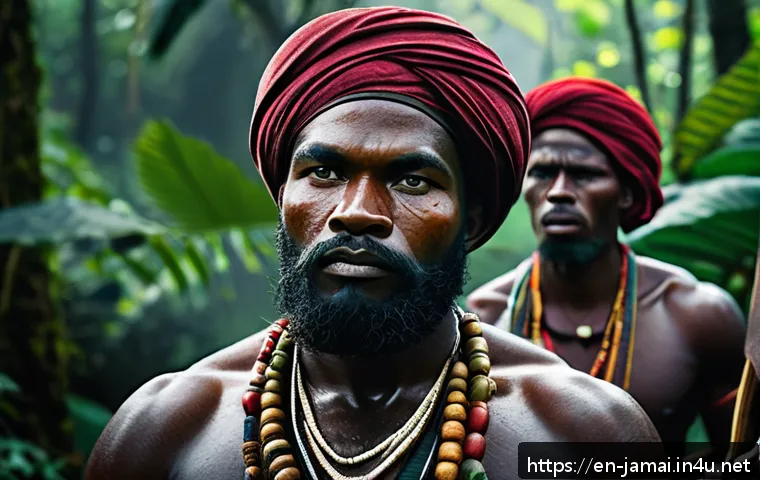
From colonial struggles to the fight for independence, these pivotal chapters reveal the spirit and strength of the Jamaican people. Join me as we explore the moments that transformed this island nation forever, uncovering stories that still resonate today and inspire future generations.
Whether you’re a history buff or simply curious, this journey promises fresh insights into Jamaica’s enduring legacy.
The Foundations of a Resilient Island
Early Encounters and Indigenous Heritage
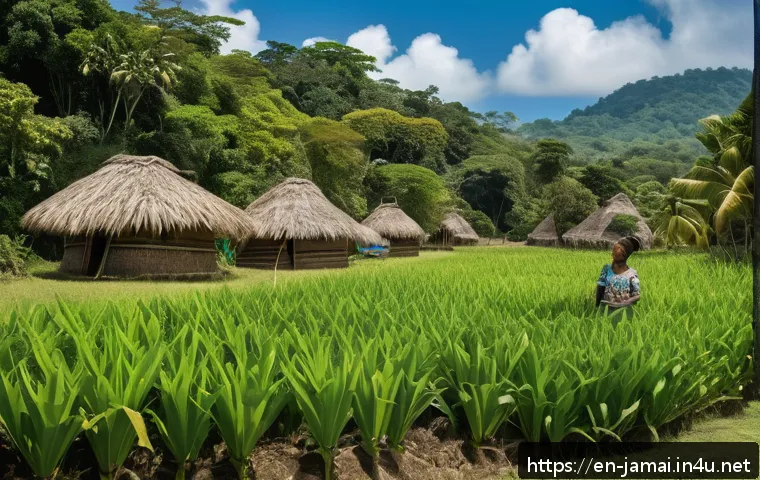
Long before European powers set their sights on Jamaica, the island was home to the Taíno people, whose rich culture and traditions laid the groundwork for the island’s identity.
Their agricultural practices, artisanal crafts, and spiritual beliefs created a vibrant society that thrived in harmony with the land. When Christopher Columbus arrived in 1494, the Taíno population was the first to greet him, marking the beginning of a complex history of encounters, resistance, and transformation.
The loss and survival of indigenous culture still echo in Jamaican folklore and place names, reminding us of a resilient heritage that refused to vanish despite colonization.
The Era of Colonization and Its Impact
Jamaica’s history is deeply marked by the arrival of the Spanish and later the British, whose colonial ambitions reshaped the island’s social and economic landscape.
The British takeover in 1655 was a pivotal moment, establishing Jamaica as a key player in the transatlantic trade routes. This period saw the introduction of plantation agriculture, primarily sugarcane, which depended heavily on enslaved Africans.
The brutal conditions and forced labor forged a society defined by struggle and resilience. Yet, within this harsh reality, Jamaican communities found ways to preserve their culture and resist oppression, planting seeds for future movements toward freedom.
Legacy of Early Resistance Movements
One cannot speak of Jamaica’s history without acknowledging the early resistance that challenged colonial rule. The Maroons, communities of escaped enslaved people, became legendary for their fierce independence and military prowess.
Their successful guerrilla warfare against British forces led to treaties that recognized their autonomy, a rare victory in colonial history. These acts of defiance not only protected lives but also inspired generations to fight for justice and equality.
The spirit of resistance embodied by the Maroons remains a powerful symbol of Jamaican identity and pride.
Paths to Freedom and Nationhood
The Abolition of Slavery and Its Aftermath
The abolition of slavery in 1834 was a monumental turning point that reshaped Jamaican society. While emancipation legally ended the chains, the transition was far from simple.
Freed people faced economic hardships, limited opportunities, and social exclusion. Yet, their determination to build new lives fueled the growth of small farms, vibrant communities, and cultural expressions that celebrated freedom.
This period also saw the rise of leaders who advocated for social reforms, laying the groundwork for political awakening and eventual self-governance.
Emergence of Political Consciousness
The late 19th and early 20th centuries witnessed the birth of political movements aimed at challenging colonial dominance and advocating for Jamaican rights.
Figures like Marcus Garvey emerged, championing Black pride and Pan-Africanism on a global scale. Garvey’s message resonated deeply within Jamaica, igniting a sense of empowerment and unity.
Simultaneously, local political organizations began pressing for constitutional reforms, labor rights, and better living conditions. This era of activism was instrumental in shaping Jamaica’s modern political landscape and nurturing a collective identity rooted in dignity and self-determination.
Road to Independence
Jamaica’s journey to independence culminated in 1962, a moment celebrated with immense pride and hope. The decades leading up to this milestone were marked by negotiations, constitutional developments, and the rise of charismatic leaders who embodied the aspirations of the Jamaican people.
Independence was not just a legal status; it was a declaration of cultural and political sovereignty. The challenges ahead were immense, but the spirit of unity and resilience that had defined Jamaica’s past provided a strong foundation for nation-building and growth.
Cultural Renaissance and Global Influence
The Birth of Reggae and Rastafari
In the mid-20th century, Jamaica became a beacon of cultural innovation, with reggae music and the Rastafari movement capturing global attention. Reggae, born from a fusion of traditional sounds and social commentary, became the voice of the oppressed and a symbol of hope.
Artists like Bob Marley brought messages of peace, resistance, and unity to the world stage. Meanwhile, Rastafari offered a spiritual framework rooted in African identity and resistance to colonial legacies.
Together, they transformed Jamaica’s cultural footprint, influencing music, fashion, and social consciousness worldwide.
Sports and National Pride
Jamaica’s contributions extend beyond culture into the realm of sports, where the island has produced legendary athletes who inspire pride and unity. The success of sprinters like Usain Bolt and Shelly-Ann Fraser-Pryce showcases not only individual talent but also the country’s dedication to excellence despite limited resources.
Sporting achievements have become a source of national pride, uniting people across social and economic divides. These victories on the global stage reaffirm Jamaica’s position as a powerhouse in athletics and a symbol of perseverance.
Tourism as a Cultural Ambassador
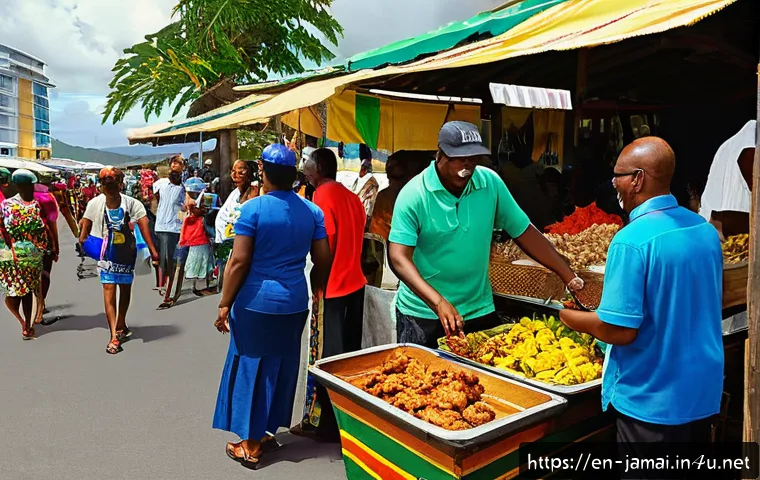
Tourism in Jamaica goes beyond beaches and resorts; it serves as a bridge connecting visitors to the island’s rich history and vibrant culture. Heritage sites, music festivals, and culinary experiences invite travelers to engage with Jamaica’s story firsthand.
This cultural exchange fosters mutual understanding and economic opportunities, helping preserve traditions while adapting to modern demands. Through tourism, Jamaica shares its spirit of warmth and resilience, inviting the world to celebrate its unique identity.
Social Movements and Modern Challenges
Struggles for Equality and Justice
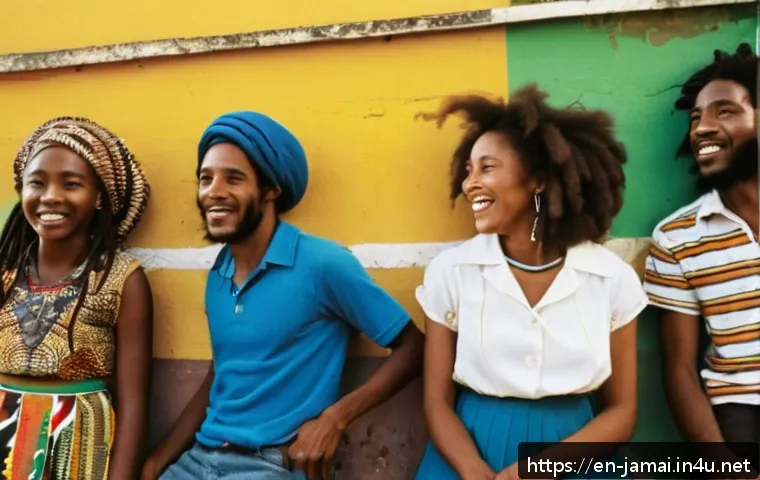
The legacy of colonialism and slavery has left enduring social challenges in Jamaica, including economic disparities and systemic inequality. Over the years, grassroots movements and activists have fought tirelessly to address these issues, advocating for education, healthcare, and fair labor practices.
The evolving landscape of social justice in Jamaica reflects a commitment to building a society where opportunities are accessible to all. These efforts continue to inspire hope and progress, demonstrating the island’s unwavering dedication to human dignity.
Urbanization and Community Resilience
Rapid urbanization has transformed Jamaica’s cities, bringing both opportunities and challenges. While economic growth has attracted investment and development, it has also led to social tensions and infrastructural pressures.
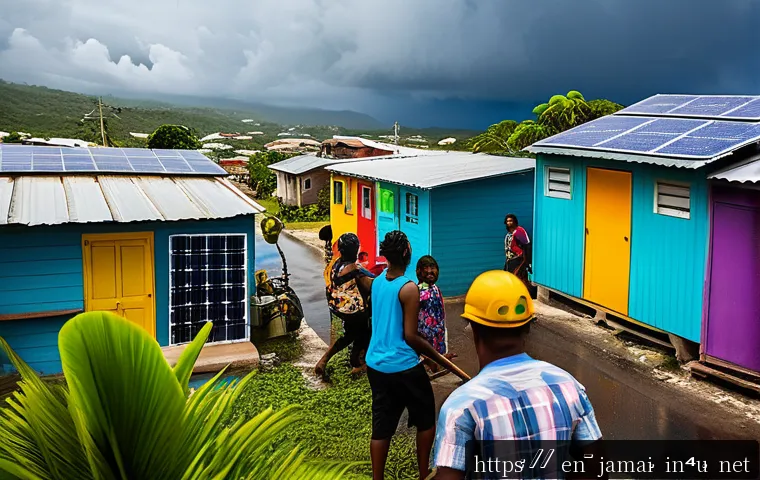
Communities have responded with resilience, creating vibrant neighborhoods that blend tradition with modernity. Initiatives focused on youth empowerment, cultural preservation, and crime reduction highlight the innovative spirit driving Jamaica’s urban evolution.
These stories of adaptation and solidarity underscore the island’s capacity to thrive amid change.
Environmental Stewardship and Sustainability
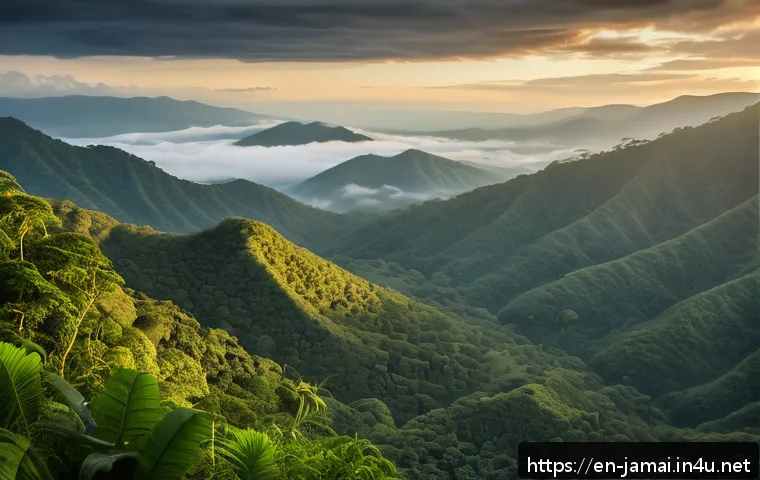
Jamaica’s natural beauty is a precious asset that requires careful stewardship. Environmental concerns such as deforestation, climate change, and coastal erosion have prompted national efforts to promote sustainability.
From community-led conservation projects to government policies, there is a growing awareness of the need to protect the island’s ecosystems for future generations.
This balance between development and preservation reflects a broader commitment to resilience, echoing the island’s historical ability to endure and adapt.
Jamaica’s Historical Highlights at a Glance
| Event | Period | Significance |
|---|---|---|
| Taíno Civilization | Pre-1494 | Indigenous cultural foundation and early society |
| British Colonization | 1655-1962 | Establishment of plantation economy and colonial rule |
| Maroons’ Resistance | 17th-18th centuries | Symbol of defiance and autonomy against colonial forces |
| Abolition of Slavery | 1834 | Legal end to slavery and social transformation |
| Marcus Garvey’s Movement | Early 20th century | Promotion of Black pride and political consciousness |
| Independence | 1962 | Political sovereignty and national identity |
| Reggae Emergence | 1960s-1970s | Global cultural influence and social expression |
| Modern Social Movements | 21st century | Ongoing fight for equality and sustainability |
Voices That Shaped Jamaica’s Spirit
Leaders Who Inspired Change
Throughout Jamaica’s history, visionary leaders have emerged to steer the island through turbulent times. From political figures like Alexander Bustamante and Norman Manley, who laid the foundations for independence, to cultural icons like Bob Marley, these individuals embody the hopes and struggles of the Jamaican people.
Their leadership was often marked by a deep connection to the community and a relentless pursuit of justice, making their legacies enduring sources of inspiration.
Everyday Heroes and Cultural Custodians
Beyond well-known leaders, countless ordinary Jamaicans have contributed to the island’s history through acts of courage, creativity, and community-building.
Farmers, artists, teachers, and activists have all played roles in preserving traditions and fostering resilience. These unsung heroes keep the spirit of Jamaica alive, passing down stories and values that sustain the nation’s identity.
Their lived experiences offer a rich tapestry of perspectives that enrich our understanding of Jamaica’s past and present.
The Role of Storytelling and Oral Tradition
Storytelling has been a vital thread connecting generations in Jamaica. Oral traditions, folktales, and music serve not only as entertainment but as vehicles for education and resistance.
These narratives preserve historical memory and cultural wisdom, allowing Jamaicans to maintain a sense of continuity despite external pressures. Engaging with these stories provides a deeper appreciation for the island’s complexity and the enduring power of its people’s voices.
In Conclusion
Jamaica’s history is a testament to resilience, courage, and cultural richness. From its indigenous roots to its global influence today, the island’s journey reflects a spirit that has overcome adversity at every turn. Understanding this past helps us appreciate the vibrant identity Jamaica proudly carries forward into the future.
Helpful Information to Know
1. Jamaica’s indigenous Taíno heritage remains a foundational part of its cultural identity despite historical challenges.
2. The island’s colonial history shaped its social and economic systems but also sparked powerful resistance movements.
3. Jamaica’s path to independence was fueled by political activism and leaders who championed self-determination.
4. Reggae music and Rastafari culture have played key roles in spreading Jamaica’s message of unity and resilience worldwide.
5. Modern Jamaica faces challenges like urbanization and environmental protection, met with innovative community efforts.
Key Takeaways
Jamaica’s story is one of enduring strength, shaped by diverse influences and a relentless pursuit of freedom and justice. Its culture, leadership, and social movements have created a unique national identity that continues to inspire. Recognizing both the struggles and triumphs is essential to appreciating Jamaica’s ongoing journey and its place on the world stage.
Frequently Asked Questions (FAQ) 📖
Q: What were the major events that led to Jamaica’s independence?
A: Jamaica’s path to independence was shaped by several key events, starting with its colonial history under Spanish and then British rule. The abolition of slavery in 1834 was a critical turning point, fueling demands for greater rights and representation.
Throughout the 20th century, social and political movements, including the rise of labor unions and nationalist leaders like Marcus Garvey and Alexander Bustamante, galvanized public support for self-governance.
Ultimately, Jamaica gained independence from Britain on August 6, 1962, marking the culmination of decades of struggle and a proud assertion of its national identity.
Q: How has Jamaica’s colonial past influenced its culture today?
A: Jamaica’s colonial history deeply influences its culture, blending African, European, and indigenous elements into a vibrant mosaic. The legacy of slavery and colonialism is reflected in the island’s language, music, religion, and cuisine.
For instance, reggae music, which emerged as a voice of resistance and social commentary, carries themes rooted in that history. The resilience of Jamaican people in preserving their traditions despite colonial oppression is evident in festivals like Jonkonnu and the widespread use of Patois.
This fusion creates a unique cultural identity that resonates globally.
Q: Why is understanding Jamaica’s history important beyond tourism?
A: Understanding Jamaica’s history goes far beyond enjoying its beautiful beaches or music. It reveals the resilience, creativity, and strength of its people who have overcome immense challenges.
This knowledge enriches your experience by providing context to cultural expressions and social dynamics still present today. It also honors the struggles of past generations whose efforts shaped modern Jamaica.
Whether you’re engaging with local communities or exploring the island’s heritage sites, a deeper historical awareness fosters respect and meaningful connection, making your visit truly memorable.