As the world faces increasingly unpredictable weather patterns, understanding natural disasters in vulnerable regions like Jamaica is more crucial than ever.
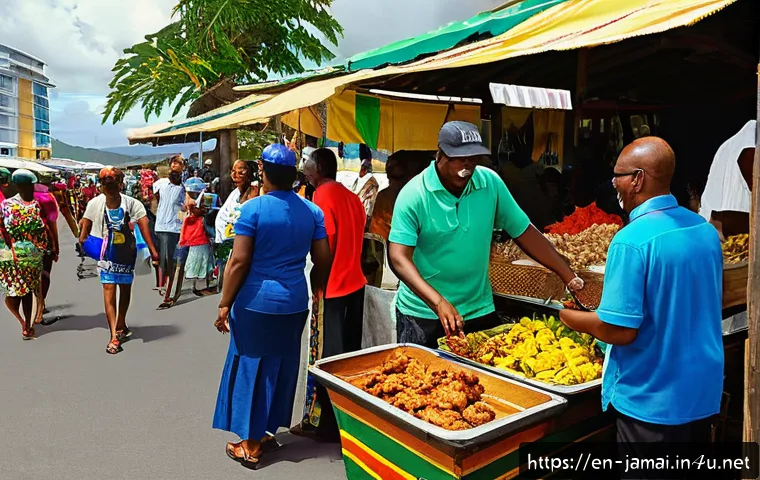
This island paradise, known for its vibrant culture and stunning landscapes, also contends with several common natural threats that impact daily life.
From hurricanes to floods, locals have developed unique and effective ways to prepare and protect their communities. In this post, we’ll dive into the most frequent natural disasters in Jamaica and reveal how residents stay resilient amid these challenges.
Whether you’re planning a visit or simply curious, this insight offers a valuable look at the strength and spirit behind Jamaica’s disaster readiness.
Weather Fury and Island Fortitude
Riding Out the Hurricanes
Jamaica’s position in the Caribbean makes it a frequent target for hurricanes, especially during the Atlantic hurricane season from June to November. These storms can pack winds exceeding 100 mph, causing extensive damage to infrastructure, power lines, and homes.
From my experience visiting coastal towns like Negril and Ocho Rios, locals treat hurricane warnings with utmost seriousness, often boarding up windows and securing loose items days before the storm arrives.
Community centers double as emergency shelters, where people gather not only for safety but to share resources and support. It’s impressive how this island’s spirit shines through even the darkest skies, with neighbors checking on each other and local authorities providing timely updates through radio and social media.
Flooding and Its Ripple Effects
Heavy rainfall during and after hurricanes often leads to widespread flooding, especially in low-lying and urban areas like Kingston. Floodwaters can disrupt transportation, contaminate water supplies, and damage crops, impacting daily life and the local economy.
Residents have adapted by elevating homes, building drainage canals, and planting trees to stabilize soil. I recall speaking with a local farmer who explained how shifting planting schedules and crop choices help mitigate losses during wet seasons.
Flood warnings are broadcast regularly, and people are trained to move valuables to higher ground quickly. Despite the challenges, these preventive measures have reduced casualties and property loss over recent years.
Storm Surge and Coastal Vulnerability
Storm surges accompanying hurricanes pose a significant threat to Jamaica’s coastal communities. These sudden rises in sea level can flood entire neighborhoods, erode beaches, and damage ports critical for trade and tourism.
I observed in Montego Bay how mangrove restoration projects are gaining momentum, acting as natural buffers that absorb wave energy. This approach, combined with seawalls and elevated roadways, is part of a broader strategy to protect homes and livelihoods.
The government collaborates with international agencies to fund these efforts, recognizing that protecting the coast means preserving the island’s economy and heritage.
Earth’s Tremors Beneath the Surface
Seismic Activity and Preparedness
Jamaica sits near the boundary of the Caribbean and North American tectonic plates, making it susceptible to earthquakes. While less frequent than hurricanes, these quakes can be powerful and unpredictable.
Local building codes have evolved, emphasizing earthquake-resistant designs to minimize damage. During my stay, I attended a community drill where families practiced “drop, cover, and hold on” techniques, reinforcing the importance of readiness.
Schools and workplaces conduct similar drills regularly, ensuring that everyone knows how to react calmly when the ground shakes. This culture of preparedness helps reduce panic and saves lives when earthquakes occur.
Historical Earthquake Impact
Past earthquakes, like the devastating 1692 Port Royal quake, serve as stark reminders of Jamaica’s seismic risks. Although modern infrastructure is more resilient, the memory of such events informs current disaster management policies.
I found it fascinating how museums and local storytelling preserve this history, educating both residents and visitors. This blend of science and culture strengthens the collective resolve to face future tremors with knowledge and unity.
Heatwaves and Droughts: The Silent Struggles
Rising Temperatures and Health Concerns
Jamaica’s tropical climate is becoming hotter and drier due to global climate change, leading to more frequent heatwaves. These conditions stress water supplies and increase health risks, especially for the elderly and children.
Community health programs have ramped up awareness campaigns about hydration and heatstroke prevention. I noticed how local clinics distribute cooling resources and educate people about signs of heat exhaustion.
Schools have adapted schedules to avoid outdoor activities during peak heat hours, prioritizing student well-being.
Water Scarcity and Agricultural Adjustments
Prolonged droughts strain Jamaica’s water resources, impacting agriculture, which is a cornerstone of the island’s economy. Farmers have adopted drip irrigation and drought-resistant crops to cope with these dry spells.
Visiting a farm in the hills near Mandeville, I witnessed firsthand how rainwater harvesting systems help maintain crop yields despite erratic rainfall.
These adaptations not only safeguard food security but also support local livelihoods amid increasingly unpredictable weather.
Nature’s Unseen Threats: Landslides and Soil Erosion
Heavy Rains Triggering Landslides
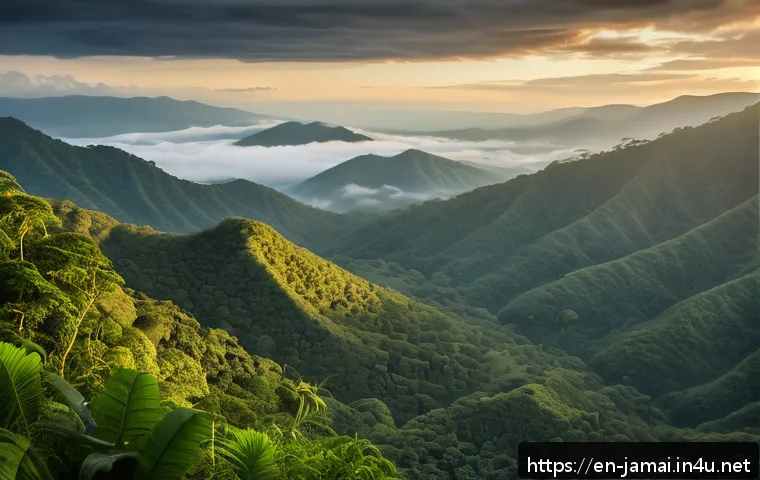
Jamaica’s mountainous terrain combined with intense rainfall can cause dangerous landslides, especially after hurricanes or tropical storms. These landslides can block roads, damage homes, and isolate communities.
Local governments have invested in early warning systems and slope stabilization projects. I recall chatting with residents in St. Thomas who shared stories of past landslides and how community watch groups now monitor vulnerable areas closely.
Awareness and quick communication are key to preventing loss of life in these scenarios.
Combating Soil Erosion Through Community Efforts
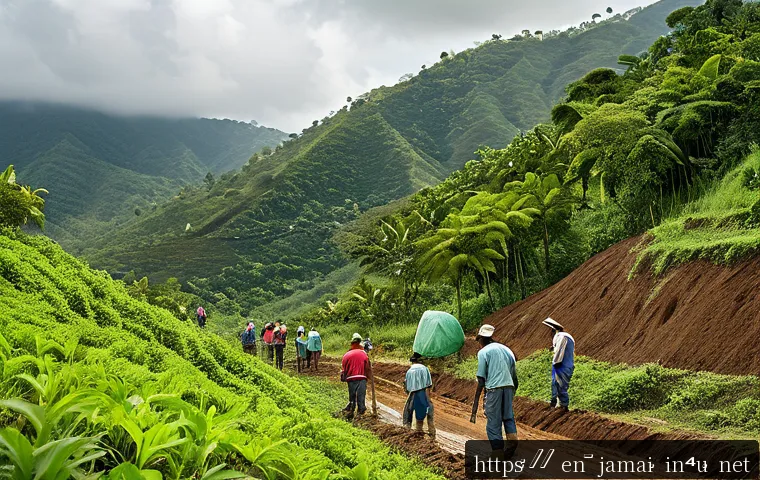
Soil erosion poses a long-term threat to agriculture and natural habitats. Farmers and environmental groups have initiated reforestation and terracing programs to hold soil in place.
I joined a volunteer planting event where locals and tourists worked together to restore degraded lands. This hands-on approach fosters a strong connection to the environment and builds resilience against future erosion.
It’s inspiring to see how grassroots efforts complement official policies, creating a multifaceted defense against this subtle but serious hazard.
Community Empowerment and Technology in Disaster Response
Harnessing Local Knowledge and Traditions
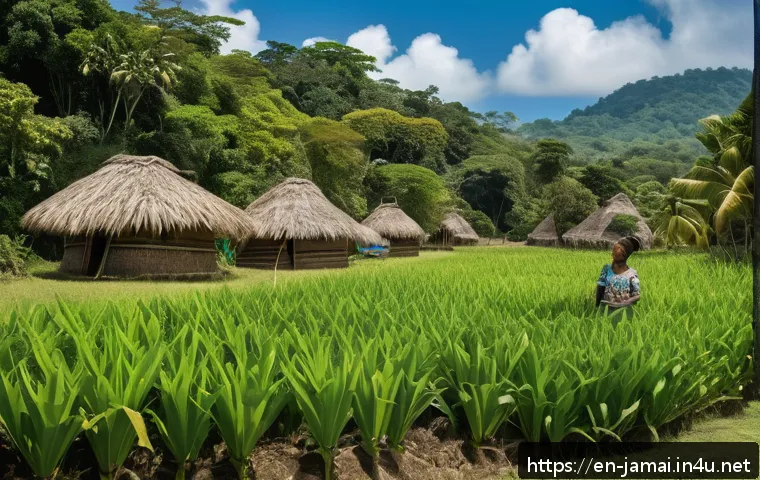
One of Jamaica’s greatest strengths in disaster readiness is the deep-rooted community spirit and traditional knowledge passed through generations. From storytelling to practical skills like emergency first aid and resource sharing, these customs enhance formal disaster management systems.
I was struck by how elders in rural areas serve as informal leaders during crises, guiding younger generations with wisdom honed through experience. This cultural fabric is a powerful asset that supports rapid recovery and mutual aid.
Innovations in Early Warning Systems
Modern technology complements traditional methods, with Jamaica investing in sophisticated early warning systems using satellites, weather radars, and mobile alerts.
These tools provide real-time updates that help residents prepare more effectively. During a recent hurricane season, I observed how SMS alerts and social media platforms kept people informed about evacuation routes and shelter availability.
This blend of high-tech and grassroots communication ensures that even remote communities receive timely warnings, reducing risk and fostering trust between citizens and authorities.
Preparing for the Future: Sustainable Practices and Education
Integrating Sustainability into Disaster Planning
Sustainability is becoming central to Jamaica’s approach to natural disasters, emphasizing not just recovery but long-term resilience. Renewable energy projects, eco-friendly building materials, and green infrastructure are increasingly common.
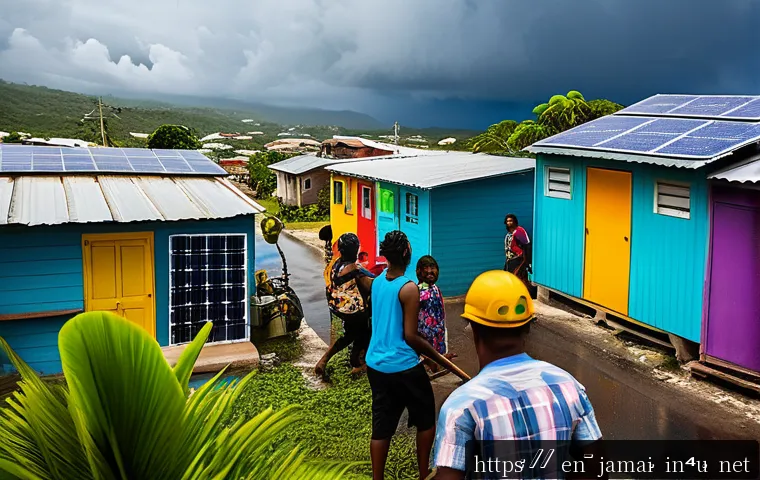
I visited a coastal village where solar panels power emergency shelters, reducing reliance on fragile grid systems during storms. This forward-thinking mindset helps protect both people and the environment, ensuring that the island remains vibrant for generations to come.
Education as a Lifeline
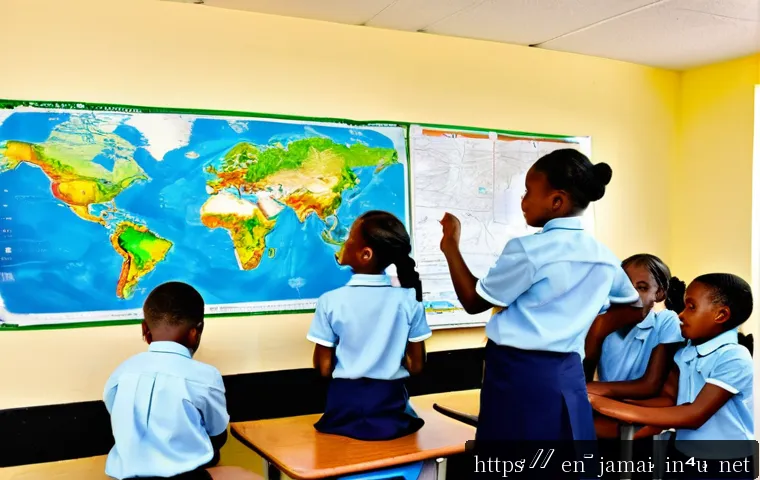
Education plays a pivotal role in shaping disaster readiness from a young age. Schools incorporate environmental science and safety training into their curricula, empowering children to become active participants in community resilience.
I met teachers who use interactive lessons and simulations to make learning about natural hazards engaging and practical. By fostering awareness early on, Jamaica builds a foundation of knowledge that strengthens society’s ability to withstand future challenges.
| Natural Disaster | Common Impacts | Preparedness Measures |
|---|---|---|
| Hurricanes | Strong winds, flooding, power outages | Boarding windows, emergency shelters, community drills |
| Flooding | Water damage, transportation disruption, crop loss | Elevated homes, drainage systems, flood warnings |
| Earthquakes | Building damage, ground shaking, infrastructure stress | Earthquake-resistant construction, drills, public education |
| Heatwaves | Health risks, water scarcity, crop stress | Hydration campaigns, adjusted school hours, drought-resistant farming |
| Landslides | Road blockages, property damage, isolation | Early warning systems, slope stabilization, community monitoring |
In Conclusion
Jamaica’s resilience in the face of natural disasters is truly inspiring. Through a combination of community spirit, innovative technology, and sustainable practices, the island manages to protect its people and preserve its environment. While challenges like hurricanes, earthquakes, and droughts remain, the collective efforts of residents and authorities continue to strengthen preparedness and recovery. This ongoing commitment ensures that Jamaica can face future threats with confidence and unity.
Useful Information to Keep in Mind
1. Always stay updated with official weather alerts during hurricane season to ensure timely preparation.
2. Elevate valuables and secure your home ahead of heavy rains to minimize flood damage.
3. Participate in community drills and familiarize yourself with earthquake safety procedures.
4. Stay hydrated and limit outdoor activities during heatwaves to protect your health.
5. Support local environmental efforts like reforestation and soil stabilization to reduce landslide risks.
Key Takeaways
Understanding the diverse natural hazards that affect Jamaica is essential for effective disaster preparedness. The island’s approach blends traditional knowledge with modern technology, fostering a culture of readiness and resilience. Community involvement, education, and sustainable infrastructure development play critical roles in minimizing damage and safeguarding lives. Embracing these strategies not only helps manage immediate threats but also builds a stronger foundation for facing future environmental challenges.
Frequently Asked Questions (FAQ) 📖
Q: What are the most common natural disasters that affect Jamaica?
A: Jamaica frequently faces hurricanes, tropical storms, floods, and occasional landslides. The hurricane season, running from June to November, poses the biggest threat with strong winds and heavy rains that can cause widespread damage.
Flooding is common in low-lying areas, especially after intense storms, while landslides tend to occur in mountainous regions following heavy rainfall.
These events significantly impact infrastructure, agriculture, and daily life on the island.
Q: How do Jamaican communities prepare for hurricanes and floods?
A: Jamaicans have developed a strong culture of preparedness, combining government-led early warning systems with community action. Residents often secure homes by boarding windows and clearing drainage paths to reduce flooding.
Many families keep emergency kits stocked with essentials like water, food, and first aid supplies. Local authorities conduct regular drills and provide real-time updates during storm threats, ensuring people know evacuation routes and safe shelters.
This mix of official guidance and community resilience helps minimize harm during disasters.
Q: What steps should visitors take to stay safe during natural disasters in Jamaica?
A: Visitors should stay informed about weather forecasts, especially during hurricane season, by following local news and official alerts. It’s wise to register with your embassy or consulate and understand the location of emergency shelters near your accommodation.
Packing a basic emergency kit with bottled water, snacks, a flashlight, and important documents is highly recommended. If a storm warning is issued, follow instructions promptly, avoid flood-prone areas, and maintain communication with locals or hotel staff who can provide updated safety information.